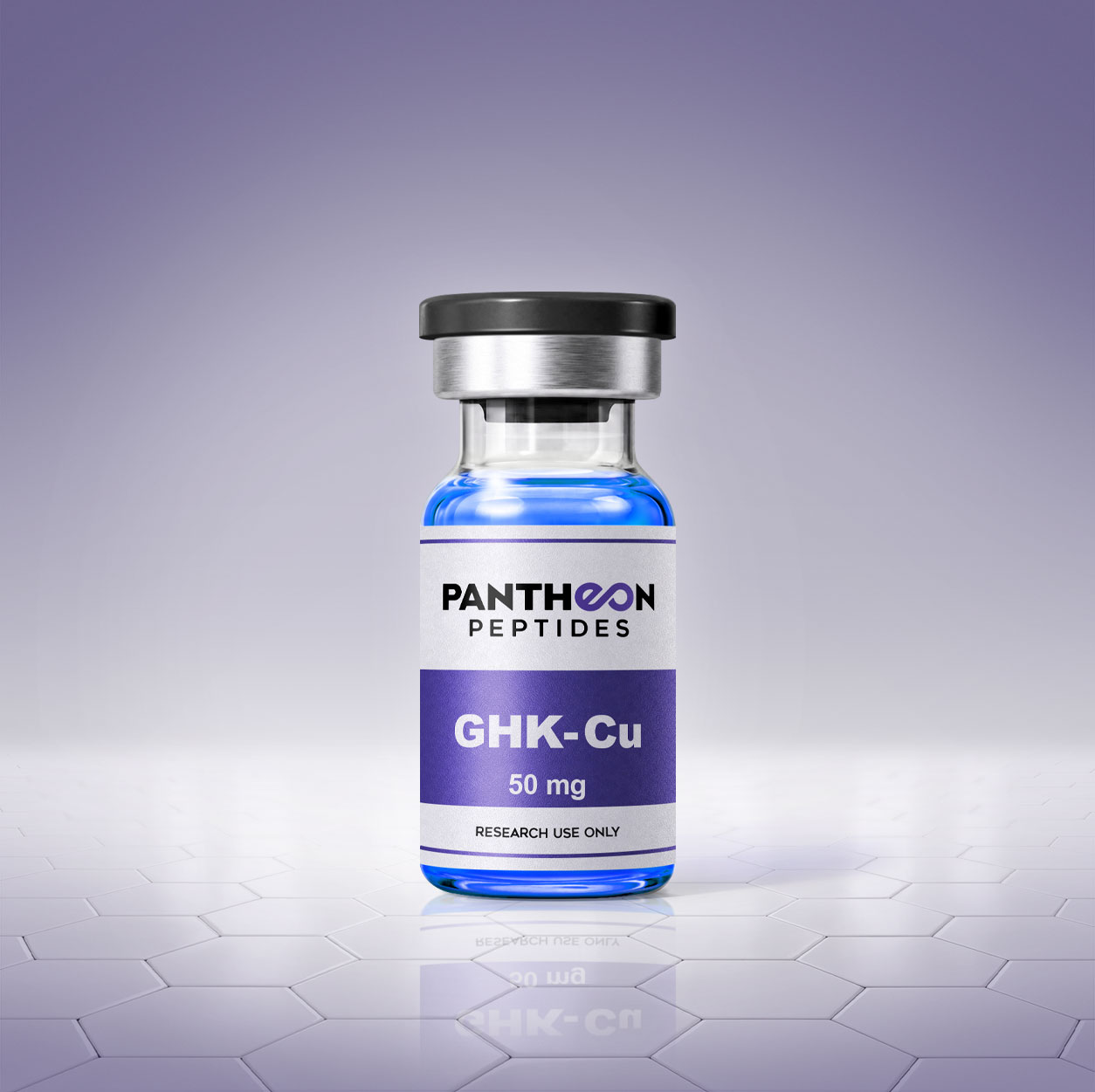
You might wonder, what makes GHK-Cu so extraordinary? Naturally sourced from human plasma, GHK-Cu is renowned for its powerful rejuvenating capabilities. Picture an ingredient that targets aging at its core—working at the cellular level to restore vitality. That’s the magic of GHK-Cu.
The Discovery of GHK-Cu
GHK-Cu was first discovered in 1973 by biochemist Dr. Loren Pickart. While studying liver regeneration in aging individuals, Dr. Pickart noticed that a specific peptide in younger blood was able to revert the protein profile of older liver cells to a more youthful state. This peptide turned out to be GHK, and when bonded with copper ions—forming GHK-Cu—it revealed powerful biological properties. His research opened the door to understanding how this complex could stimulate tissue repair, regulate gene expression, and support regenerative medicine. Since then, GHK-Cu has been studied extensively for its anti-aging and healing potential.
Benefits of GHK-Cu
- Stimulates collagen production.
- Skin Regeneration and Wound Healing.
- Anti-Aging.
- Anti-Inflammatory and Antioxidant.
- Promotes Hair Growth.
- Protects against oxidative stress.
- Supports Brain Health.
- Improves nervous system health.
- Chronic Disease Management.
GHK-Cu Enhances Collagen Production
Collagen, a critical protein that provides structure, strength, and elasticity to the skin, diminishes with age, leading to wrinkles, sagging, and a loss of firmness. GHK-Cu peptides are scientifically proven to stimulate the synthesis of collagen types I and III, which are essential for youthful skin. By activating fibroblasts—cells responsible for collagen production—GHK-Cu enhances the skin’s ability to rebuild its extracellular matrix, a network of proteins that supports skin structure. Furthermore, studies reveal that GHK-Cu not only promotes new collagen synthesis but also protects existing collagen from degradation by inhibiting the activity of enzymes like matrix metalloproteinases (MMPs), which break down collagen. When combined with hyaluronic acid, a natural substance known for its ability to retain moisture and improve skin hydration, the synergistic effects are profound. For individuals exploring how GHK-Cu boosts collagen production or seeking peptides for youthful skin, this pairing is potent solution for maintaining healthy, vibrant, and youthful skin.
Skin Regeneration and Wound Healing
GHK-Cu peptides are highly regarded for their powerful role in skin regeneration and wound healing, supported by extensive scientific evidence. Their effectiveness stems from their multifaceted ability to enhance critical processes involved in tissue repair. GHK-Cu promotes the migration and proliferation of fibroblasts and keratinocytes—cells essential for rebuilding skin structure and closing wounds—while stimulating the production of key extracellular matrix components like collagen, elastin, and glycosaminoglycans. These components not only rebuild damaged tissue but also improve skin elasticity and strength. Additionally, GHK-Cu reduces inflammation by downregulating pro-inflammatory cytokines such as interleukin-6 (IL-6) and tumor necrosis factor-alpha (TNF-α), creating an optimal environment for healing. Its antioxidant properties are equally vital, as it boosts the activity of enzymes like superoxide dismutase (SOD), which neutralize harmful free radicals that can impede the healing process. By also promoting angiogenesis—the formation of new blood vessels—GHK-Cu ensures an adequate supply of oxygen and nutrients to the regenerating tissue, accelerating recovery and improving overall outcomes. These combined effects make GHK-Cu peptides a powerful tool for anyone seeking scientifically backed peptides for wound healing and skin regeneration.
Anti-aging properties of GHK-Cu
One of the key benefits of GHK-Cu peptides is their remarkable role in anti-aging. GHK-Cu boosts collagen production, which is essential for maintaining youthful, elastic skin, and helps reduce fine lines, improving skin texture and radiance. Research shows that GHK-Cu enhances skin elasticity, promotes granular tissue formation, and stimulates angiogenesis—the growth of new blood vessels—thereby supporting overall skin health. What makes GHK-Cu particularly effective is its ability to reset gene expression to a healthier, more balanced state, which has profound implications for anti-aging. Studies have demonstrated that GHK-Cu can influence the expression of over 4,000 genes involved in vital processes like tissue repair, inflammation regulation, and oxidative stress defense. By upregulating genes responsible for collagen synthesis, antioxidant production, and cellular regeneration, GHK-Cu helps to rejuvenate and regenerate skin, while simultaneously downregulating genes linked to chronic inflammation, fibrosis, and cellular degradation. This dual action allows GHK-Cu to mitigate harmful processes that accelerate aging and disease, making it an exceptional therapeutic agent for not only improving skin health and promoting wound healing but also for broader anti-aging and anti-inflammatory applications. Furthermore, GHK-Cu’s antioxidant and anti-inflammatory properties enhance its capacity to combat oxidative stress—a major factor in both aging and chronic conditions—making it a powerful, science-backed tool for restoring skin vitality and overall health.
Powerful anti-inflammatory and antioxidant properties of GHK-Cu
GHK-Cu peptides are widely recognized for their powerful anti-inflammatory and antioxidant properties, making them valuable for addressing conditions driven by oxidative stress and inflammation. Oxidative stress, caused by an imbalance between free radicals and the body’s ability to neutralize them, is a primary factor in cellular aging, chronic diseases, and skin damage. GHK-Cu combats this by increasing the production of antioxidant enzymes like superoxide dismutase (SOD) and catalase, which neutralize harmful free radicals and protect cellular structures from damage. Additionally, GHK-Cu has been shown to downregulate pro-inflammatory cytokines such as tumor necrosis factor-alpha (TNF-α) and interleukin-6 (IL-6), which are often elevated in chronic inflammation. By reducing these inflammatory mediators, it not only mitigates tissue damage but also creates a more favorable environment for healing and regeneration. These dual actions make GHK-Cu particularly effective for preventing premature aging, promoting skin health, and supporting recovery from injuries or conditions associated with inflammation. Its ability to simultaneously address oxidative stress and inflammation positions GHK-Cu as a standout therapeutic option for those seeking peptides for reducing inflammation and oxidative stress, offering protection and repair at the cellular level.
GHK-Cu Peptides for Hair Growth
If you’re experiencing hair thinning or loss, GHK-Cu peptides could offer a promising solution. Studies have shown that GHK-Cu stimulates hair growth by activating the proliferation of dermal papilla cells, which play a crucial role in the hair follicle cycle. These peptides help to prolong the anagen (growth) phase of the hair cycle while inhibiting the catagen (resting) phase, effectively promoting thicker, healthier hair. Additionally, GHK-Cu has been found to increase the production of vascular endothelial growth factor (VEGF), which supports the formation of new blood vessels, ensuring the hair follicles receive a steady supply of nutrients and oxygen for optimal growth. Research also indicates that GHK-Cu improves scalp health by reducing inflammation and oxidative stress, both of which can contribute to hair loss and follicle miniaturization. For those wondering about GHK-Cu peptides for hair regrowth and thickness, this peptide shows great promise in addressing alopecia and other hair-related issues, offering a science-backed approach to promoting hair restoration and overall scalp vitality.
GHK-Cu and Its Benefits for the Nervous System
GHK-Cu has shown great promise in supporting the health and function of the nervous system through several key mechanisms. First, it helps promote nerve regeneration by stimulating the production of vital nerve growth factors, which play a crucial role in repairing damaged neurons and restoring proper function. Additionally, its anti-inflammatory properties are important in reducing harmful inflammation within the brain, which is often linked to neurodegenerative diseases such as Alzheimer’s and Parkinson’s. GHK-Cu also acts as a potent antioxidant, helping to reduce oxidative stress, which can otherwise lead to nerve cell damage and contribute to aging of the nervous system. Beyond its protective effects, GHK-Cu has the potential to improve cognitive function by influencing the expression of genes related to brain health, possibly slowing age-related cognitive decline and supporting memory and learning. Furthermore, GHK-Cu enhances neuroplasticity, the brain’s ability to reorganize itself, adapt to new learning, and recover from injury, which is essential for maintaining mental sharpness and overall brain health. It also aids in healing neural tissues after injuries, such as those caused by traumatic brain injury or spinal cord damage. Overall, GHK-Cu’s regenerative and protective properties make it a promising candidate for improving nervous system health, offering potential therapeutic benefits for a range of neurological conditions.
The Benefits of GHK-Cu in Treating Acute Lung Injury
GHK-Cu peptides have demonstrated significant protective effects in models of acute lung injury (ALI), a condition characterized by inflammation, oxidative stress, and damage to lung tissue. Research indicates that GHK-Cu can reduce inflammation by downregulating pro-inflammatory cytokines such as TNF-α and IL-6, which are key drivers of the inflammatory response in ALI. Furthermore, studies show that GHK-Cu enhances the activity of antioxidant enzymes like superoxide dismutase (SOD) and catalase, helping to neutralize harmful free radicals and protect lung tissue from oxidative damage. In animal models, GHK-Cu has been found to improve lung function, reduce tissue edema, and promote the repair of damaged lung cells. The peptide’s ability to modulate both inflammatory pathways and oxidative stress highlights its potential as a therapeutic agent for not only skin regeneration but also respiratory health. Though not as widely known as its role in skincare, this protective effect in ALI underscores GHK-Cu’s versatility and growing relevance in treating various forms of tissue injury.
GHK-Cu in Chronic Disease Management
Emerging research indicates that GHK-Cu peptides may play a significant role in managing chronic diseases. GHK-Cu peptides can help by modulating gene expression to restore a healthier cellular environment. Studies have shown that GHK-Cu can reduce inflammation by downregulating pro-inflammatory cytokines like TNF-α and IL-6, which are elevated in COPD patients. Additionally, GHK-Cu enhances antioxidant defenses by boosting the production of enzymes like superoxide dismutase (SOD), which neutralize harmful free radicals that contribute to lung tissue damage. By regulating these pathways, GHK-Cu peptides not only help reduce the inflammation and oxidative stress associated with COPD but also promote tissue repair and regeneration. These capabilities make GHK-Cu a promising candidate for new treatments targeting the underlying causes of chronic diseases, offering hope for individuals seeking more effective therapies for conditions like COPD.
Potential Side Effects of GHK-Cu
Research shows that GHK-Cu has a strong safety profile, with minimal adverse reactions reported. Laboratory studies reveal no toxic effects when used orally, topically, or via injection. Rarely, users may report temporary skin irritation, redness, or mild tingling, which typically resolves with continued use. Individuals with copper allergies or Wilson’s disease should avoid GHK-Cu due to potential sensitivities.
Starting with a low concentration and gradually increasing it is recommended to minimize irritation and allow the skin to adjust.
Conclusion
In conclusion, GHK-Cu peptides present a remarkable array of benefits spanning skin health, wound healing, anti-aging, and chronic disease management. Their capacity to stimulate collagen production, enhance skin regeneration, and reduce inflammation makes them a potent ally for achieving youthful, resilient skin. Additionally, GHK-Cu’s antioxidant and anti-inflammatory properties unlock therapeutic potential for addressing issues such as hair thinning, acute lung injury, and other chronic conditions. Furthermore, by influencing gene expression and supporting tissue repair, these peptides provide a science-backed, holistic approach to enhancing overall health and well-being. Their versatility, combined with a growing body of research, positions GHK-Cu as a groundbreaking solution for both cosmetic and medical applications. Notably, GHK-Cu peptides have an excellent safety profile, with only minimal, temporary side effects like mild skin irritation reported, underscoring their promise as a reliable and effective treatment option..
RESEARCH REFERENCE ON GHK-Cu
1. Regenerative and Protective Actions of the GHK-Cu Peptide in the Light of the New Gene Data
2. GHK Peptide as a Natural Modulator of Multiple Cellular Pathways in Skin Regeneration
3. Synergy of GHK‐Cu and Hyaluronic Acid on Collagen IV Generation in Skin Fibroblast
4. Skin Regenerative and Anti-Cancer Actions of Copper Peptides