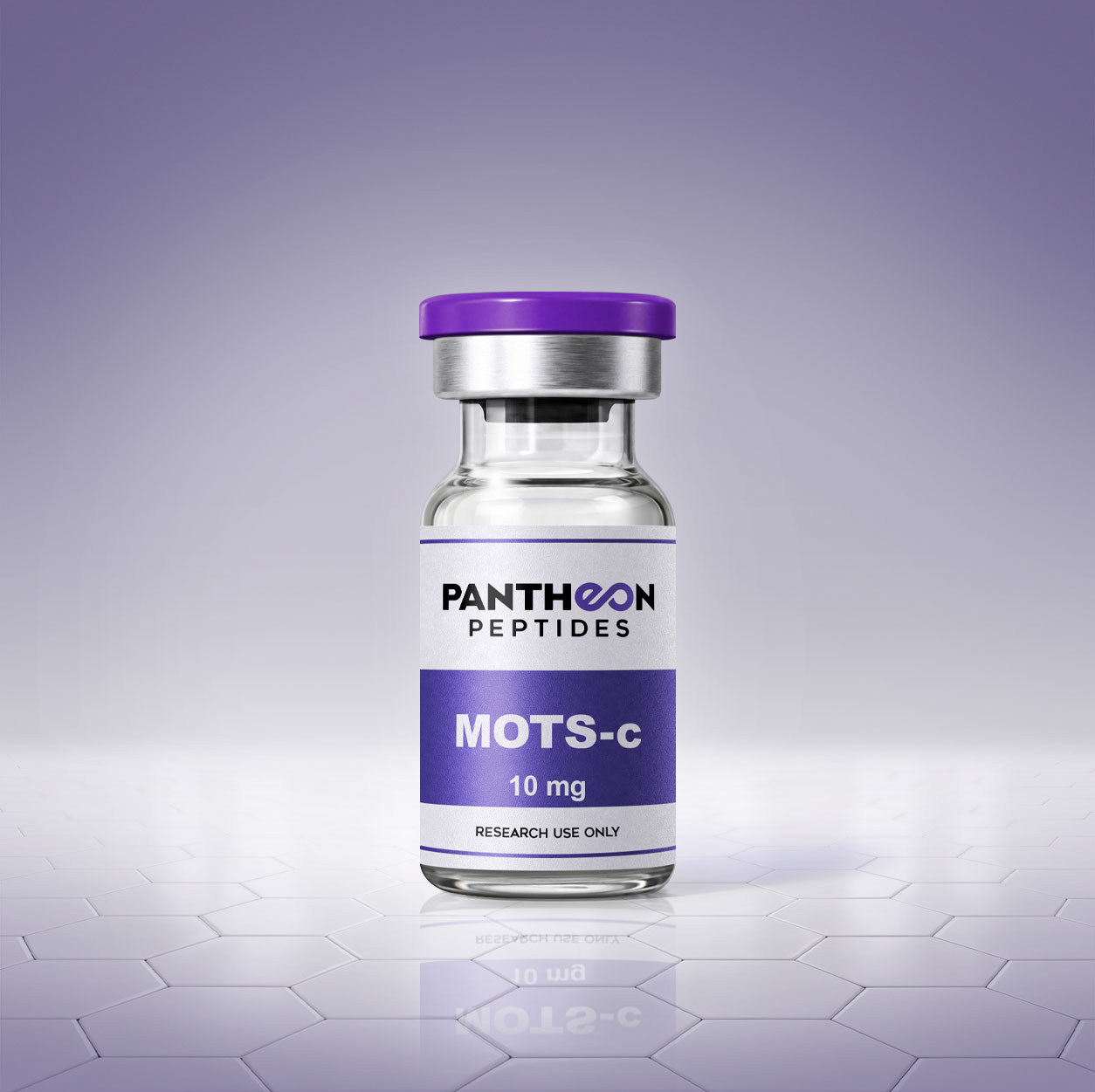
MOTS-c is quickly gaining attention in the world of health and longevity. As a mitochondrial peptide, it plays a key role in how your body produces and uses energy. Researchers are increasingly interested in how MOTS-c may influence metabolism, aging, and overall wellness. But what exactly is MOTS-c, and why does it matter?
A Brief History of MOTS-c
MOTS-c was discovered around 2015 as part of a new class of mitochondrial-derived peptides. Unlike traditional hormones, it originates from mitochondria, the energy centers of your cells. This discovery shifted how scientists think about cellular communication. Instead of mitochondria simply producing energy, they are now seen as active regulators of metabolism and aging.
What Is MOTS-c?
MOTS-c is a small peptide that helps regulate how your body uses glucose and fat. In simple terms, it improves how efficiently your body turns food into usable energy. As mitochondrial function declines with age, MOTS-c levels may also decrease, which is why it is often studied in connection with aging and metabolic health.
Key Benefits of MOTS-c
Better Metabolic Function
MOTS-c helps the body respond more effectively to insulin, allowing cells to use glucose instead of storing it. This supports more stable energy and better metabolic balance over time.
Improved Energy Use
It activates pathways similar to those triggered by exercise, helping muscles use fuel more efficiently. This can contribute to better endurance and reduced fatigue.
Support for Healthy Aging
Since mitochondrial function declines with age, maintaining efficient cellular energy systems is important. MOTS-c appears to play a role in keeping those systems working more smoothly.
Weight Regulation Support
Rather than forcing fat loss, MOTS-c works by improving how energy is processed. Over time, this may help reduce the tendency to store excess energy as fat.
Cellular Stress Adaptation
Cells constantly deal with internal stress. MOTS-c helps activate protective responses that improve resilience and maintain function under pressure.
Why It Matters Today
Modern lifestyles often disrupt metabolic health through inactivity and poor diet. Supporting the body at a cellular level may become increasingly important, and this is where MOTS-c is being studied for its potential role.
Final Thoughts
MOTS-c highlights how much of our health depends on what happens inside our cells. Rather than focusing only on surface-level changes, it draws attention to the deeper systems that regulate how we produce and use energy each day. By supporting more efficient energy use at a cellular level, it offers a fresh perspective on metabolism, sustained energy, and the aging process.
Although research is still evolving, the growing interest in MOTS-c reflects a broader shift toward understanding health from the inside out. As science continues to explore its potential, it may play an increasingly important role in how we approach long-term wellness and resilience.
Summary
- Enhances mitochondrial and metabolic performance.
- Enhances insulin sensitivity and glucose regulation.
- Supports efficient energy use.
- Strengthens cellular resilience.
- Slows down aging processes.
- Anti-inflammatory properties.
- Helps regulate body weight.
As research advances, MOTS-c may become a key piece in understanding how to support health at its most fundamental level. In many ways, lasting wellness begins at the smallest scale, within our cells.