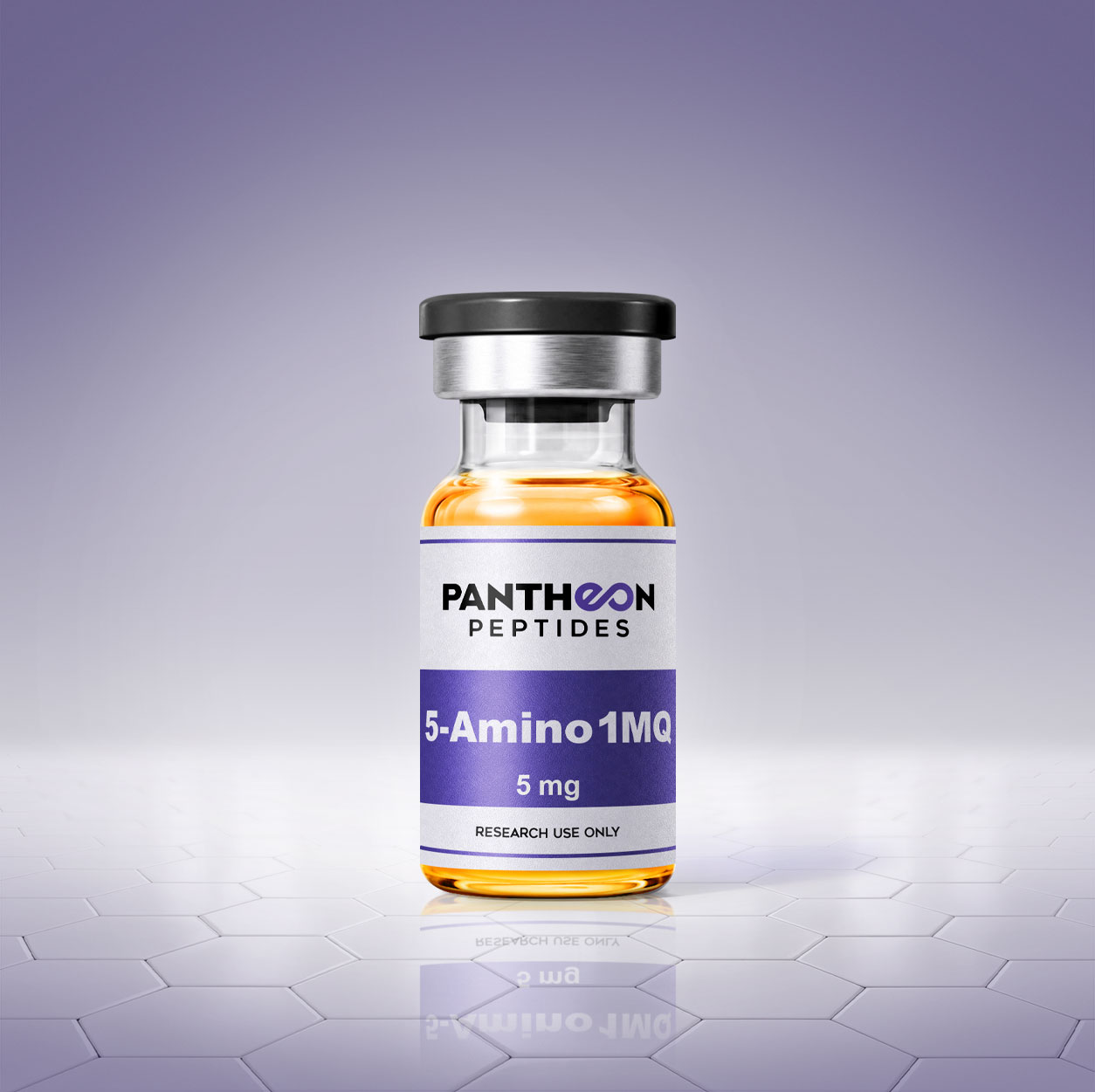
Category: Weight Loss

  • Plateaued on Retatrutide? Your Liver Is Asking for Help

    The scale stalls when your liver falls behind the fat you are releasing. Here is how to get it caught up, and get the weight moving again.

    Topics: Retatrutide, Weight Loss, Liver Support, 5-Amino-1MQ, Prime Metabolic

    The Week the Scale Stopped

    For six weeks it was almost boring. You stepped on the scale and it had moved again. The jeans went from tight to loose to too big. People started asking. Then one Monday the number was the same as the Monday before, and the Monday after that it was the same again. You had not changed a thing. And the thought that arrives in that moment is a hard one: maybe Retatrutide has stopped working.

    It almost never has. The peptide is still doing exactly what it did in week two. What has changed is the organ that has to finish what the peptide starts. Your liver.

    Two Jobs, Not One

    We talk about burning fat as if it were one action. It is two. The first is release: Retatrutide tells your fat cells to let go, and it turns up how much energy your body spends. The second is the burning itself, and that happens somewhere else. Released fat travels through your blood to your liver, which breaks it down, burns a share of it, and turns most of the rest into ketones that fuel your muscles, your heart and your brain.

    Retatrutide leans on the liver harder than the earlier peptides did, because its glucagon arm tells the liver to burn fat faster. That is a large part of why it works. In a 2024 trial in people with fatty liver, its two higher doses cleared an average of more than 80 percent of liver fat inside six months. Think about what that means: the liver is not a bystander in this process. It is the furnace. Retatrutide is the hand shoveling fat into it.

    And every shovelful burns on NAD+, the molecule your mitochondria use to turn fat into energy, the way a fire burns on air. Fat loss raises the demand for it at the very moment a quiet appetite cuts the supply.

    When the Furnace Backs Up

    Here is the sentence to remember: if the liver gets backed up, the weight loss stops.

    Fat released faster than the liver can burn it does not disappear. It lingers, some of it inside the liver, and inflammation rises around it. Inflammation slows fat burning and muddles the hormones that run your metabolism, so the liver falls further behind. Retatrutide keeps releasing. The furnace cannot keep up. The scale sits still, and usually the tiredness and the flat afternoons show up at the same time, because they come from the same place.

    Anything that inflames the body loads the liver. Alcohol is the clearest case. Your liver deals with alcohol before anything else, and while it does, fat burning switches off and fat making switches on. A few drinks on Friday is a liver spending Saturday on something other than your fat. Anything that reduces inflammation, on the other hand, hands the liver its capacity back.

    So the plateau stops being a mystery and becomes a question with an answer. What is the liver carrying, and what would let it burn more?

    Give It Air: 5-Amino-1MQ, or NAD+

    Our first recommendation is 5-Amino-1MQ. It blocks an enzyme called NNMT that lives in fat cells and the liver and eats the building blocks your body would otherwise turn into NAD+. In the research, high NNMT goes with obesity and fatty liver. Turning it down protected mice from diet-induced weight gain and raised how much energy they burned, and 5-Amino-1MQ itself trimmed body weight and fat in mice on a high-fat diet without changing how much they ate.

    People ask why we do not simply recommend NAD+ itself. You can, and it works. But we believe it is better to help your body make its own NAD+ than to supply it from outside, because the making brings extra metabolic functions along with it. The NNMT research links lower activity to more energy spent, better fat handling in the liver, and calmer inflammatory signaling. That is more weight lost, more energy while you lose it, and a liver with less to clean up. For a plateau, that is the whole list.

    If you would rather go direct, or do both, the Retatrutide + NAD+ bundle puts the two in one order. When the liver is burning fat all day, more NAD+ beats less.

    If you have been running Retatrutide alone, the simplest move is to a cycle that already carries the support: the Slim Peptides Cycle (Retatrutide with 5-Amino-1MQ) or the Prime Metabolic Cycle (the same pair with BPC-157 and TB-500 for recovery and inflammation). We hear about plateaus far less from people on either one.

    Get the Slim Peptides Cycle

    Tend the Liver: Livagen and Milk Thistle

    Livagen is the liver’s own peptide bioregulator, four amino acids long, studied for liver-cell health, for switching age-quieted genes back on, and for liver function in aging and injury models. It sits naturally beside either NAD+ approach, and it is the one we reach for when the cut has been long.

    Milk thistle is the herb your grandmother would have named, and the research agrees with her: reviews describe silymarin’s antioxidant and anti-inflammatory work in the liver and its use in fatty-liver studies. We do not sell it. Buy it anywhere, and take it while your liver is working through weeks of mobilized fat.

    And feed the furnace real wood. Rice, meat and vegetables, in the modest portions Retatrutide allows. If you have been stacking strict keto on top of the peptide, that restriction is often part of the stall.

    Sweat: The Oldest Metabolic Medicine

    Exercise is key, and not for the reason most people think. In people with fatty liver, regular training clears fat out of the liver even when the scale barely moves, aerobic and resistance alike, and over months it lowers the blood marker of inflammation. Exercise does not just add work for the liver. It builds the liver’s capacity to do the work.

    If you do not exercise, or cannot yet, go to the sauna. Three times a week, long enough to sweat profusely, with an electrolyte drink beside you. We will say plainly what we see: this single habit moves a stalled plateau more than almost anything else people try. The research points the same direction. In the Finnish sauna cohort, the people who sat in the heat most often carried the lowest levels of inflammation. Passive heat improved blood-vessel function in people who did not exercise, and in women with obesity it improved insulin sensitivity and cardiovascular markers. A hard sweat asks your body for what a workout asks: heart rate up, circulation up, inflammation down. Your liver feels the difference either way.

    One rule, non-negotiable: drink electrolytes. A sauna session can pull close to a litre of fluid out of you along with the sodium, potassium and magnesium it carries. Before, during, after. Step out if you feel dizzy. Sweat hard, hydrate harder, three times a week.

    Take the Load Off

    While you are breaking a plateau, take alcohol off the table, or down to the rare glass, and be honest about it. Then notice what the rest of this list has in common. 5-Amino-1MQ and a regular hard sweat both lower inflammation while they raise metabolism. Livagen and milk thistle both help the liver clean up. Everything here either gives the liver less to deal with or more to burn with. That is the entire strategy, and it is why it works.

    Before You Touch the Dose

    Do not raise the dose to break a plateau. Pantheon research protocols hold Retatrutide at 4 mg a week or less, and in our experience a plateau is a capacity problem, not a dose problem. More peptide means more fat released into a system that is already behind. Weigh honestly, two weeks at the same number is a plateau and one heavy weekend is not. Give the liver two to three weeks of support before you judge it. And if the number you are stuck at happens to be the number you were aiming for, you are not stuck. You are finished, and the next step is a continuation cycle, not a harder push.

    If you ever notice yellowing skin or eyes, dark urine, or pain under the right ribs, that is a liver asking for a clinician, not a supplement. Go.

    Clear the Flue

    Anyone who has kept a wood stove knows the moment. The fire is built right, the wood is dry, the match takes, and still the room fills with smoke. Nothing is wrong with the fire. The flue is blocked. You do not fix it by adding wood. You clear the way out, and the same fire that was choking suddenly roars.

    Retatrutide is the fire, and it is a strong one. Your liver is the flue. When the weight stops moving, the answer is almost never more fire. It is air, in the form of NAD+ your body makes for itself. It is a clean chimney, in the form of Livagen and milk thistle and a week with no wine. It is the draft of a hard sweat three times a week. Clear the flue, and the fire you already lit does what it was always going to do.

    Don’t push harder. Clear the way.

    Get 5-Amino-1MQ

    References

    1. Triple-Hormone-Receptor Agonist Retatrutide for Obesity: A Phase 2 Trial (Jastreboff et al., 2023, N Engl J Med)

    2. Triple hormone receptor agonist retatrutide for metabolic dysfunction-associated steatotic liver disease: a randomized phase 2a trial (Sanyal et al., 2024, Nat Med)

    3. Adaptive thermogenesis in humans (Rosenbaum & Leibel, 2010, Int J Obes)

    4. Quantification of the effect of energy imbalance on bodyweight (Hall et al., 2011, Lancet)

    5. Effect of dietary adherence on the body weight plateau: a mathematical model incorporating intermittent compliance with energy intake prescription (Thomas et al., 2014, Am J Clin Nutr)

    6. Energy metabolism in the liver (Rui, 2014, Compr Physiol)

    7. Multi-dimensional roles of ketone bodies in fuel metabolism, signaling, and therapeutics (Puchalska & Crawford, 2017, Cell Metab)

    8. Glucagon receptor signaling and lipid metabolism (Galsgaard et al., 2019, Front Physiol)

    9. NAD+ metabolism and the control of energy homeostasis: a balancing act between mitochondria and the nucleus (Cantó, Menzies & Auwerx, 2015, Cell Metab)

    10. Eliciting the mitochondrial unfolded protein response by nicotinamide adenine dinucleotide repletion reverses fatty liver disease in mice (Gariani et al., 2016, Hepatology)

    11. Inflammation and metabolic disorders (Hotamisligil, 2006, Nature)

    12. Nicotinamide N-methyltransferase knockdown protects against diet-induced obesity (Kraus et al., 2014, Nature)

    13. Nicotinamide N-methyltransferase regulates hepatic nutrient metabolism through Sirt1 protein stabilization (Hong et al., 2015, Nat Med)

    14. Selective and membrane-permeable small molecule inhibitors of nicotinamide N-methyltransferase reverse high fat diet-induced obesity in mice (Neelakantan et al., 2018, Biochem Pharmacol)

    15. Nicotinamide N-methyltransferase in non-alcoholic fatty liver disease: mechanistic insights and emerging therapeutic strategies (Zhang et al., 2025, Arch Biochem Biophys)

    16. NNMT as a therapeutic target in fibrosis: insights from the heart, liver, kidneys, and lungs (Lai et al., 2026, Differentiation)

    17. Anti-aging peptide bioregulators induce reactivation of chromatin (Lezhava et al., 2006, Georgian Med News)

    18. The influence of polypeptide liver complex and tetrapeptide KEDA on organism physiological function in norm and age-related pathology (Kuznik et al., 2020, Adv Gerontol)

    19. Milk thistle (Silybum marianum): a concise overview on its chemistry, pharmacological, and nutraceutical uses in liver diseases (Abenavoli et al., 2018, Phytother Res)

    20. Exercise and non-alcoholic fatty liver disease: a systematic review and meta-analysis (Keating et al., 2012, J Hepatol)

    21. Aerobic vs. resistance exercise in non-alcoholic fatty liver disease: a systematic review (Hashida et al., 2017, J Hepatol)

    22. Effect of exercise training on C reactive protein: a systematic review and meta-analysis of randomised and non-randomised controlled trials (Fedewa, Hathaway & Ward-Ritacco, 2017, Br J Sports Med)

    23. Sauna bathing and systemic inflammation (Laukkanen & Laukkanen, 2018, Eur J Epidemiol)

    24. Clinical effects of regular dry sauna bathing: a systematic review (Hussain & Cohen, 2018, Evid Based Complement Alternat Med)

    25. Passive heat therapy improves endothelial function, arterial stiffness and blood pressure in sedentary humans (Brunt et al., 2016, J Physiol)

    26. Heat therapy reduces sympathetic activity and improves cardiovascular risk profile in women who are obese with polycystic ovary syndrome (Ely et al., 2019, Am J Physiol Regul Integr Comp Physiol)

    27. The sauna and body fluid balance (Ahonen & Nousiainen, 1988, Ann Clin Res)

    28. Recent advances in alcoholic liver disease II. Minireview: molecular mechanisms of alcoholic fatty liver (You & Crabb, 2004, Am J Physiol Gastrointest Liver Physiol)

    29. Alcoholic liver disease (Seitz et al., 2018, Nat Rev Dis Primers)

    Disclaimer

    This article is for educational purposes only and is not intended as medical advice. Retatrutide and the other compounds discussed are research compounds and are not approved for human use unless prescribed and supervised by a licensed medical professional. Always consult your healthcare provider before starting any new protocol, supplement, or treatment.
  • You Hit Your Goal Weight. Now Comes the Part Nobody Plans For.

    How to keep the weight off, the energy up, and the metabolism you rebuilt, with the Revive and Revive+ 4-Week Cycles

    Topics: Weight Maintenance, Revive, Revive+, Retatrutide

    The Photo You Finally Took

    There is a morning most people remember. The scale shows the number you wrote down months ago. You stand a little differently in the mirror. Someone takes the picture, the one that will sit beside the picture from before, and for about a day it feels finished.

    Then the kit runs out. The last Retatrutide shot is behind you. And somewhere in the second week a quieter thought arrives, one that nobody put on the vision board. Now what?

    If that is where you are, the first thing to say is congratulations, and to mean it. You did the hard part. The second thing to say is that you are asking the right question at exactly the right time, because there is something the before-and-after photo does not tell you. The finish line of a weight-loss cycle is not a finish line at all. It is a handoff.

    Why the Finish Line Is Really a Handoff

    Every long-term study of this class of compound tells the same story once the compound stops. In the STEP 1 extension, people who came off semaglutide regained about two-thirds of the weight they had lost within a year. In SURMOUNT-4, people switched from tirzepatide to placebo regained roughly 14% of their body weight over the next twelve months. Retatrutide’s post-cycle data are not published yet, but it belongs to the same family of mechanism, and it would be a strange kind of optimism to plan as though you were the exception.

    The reason is not weakness. It is biology, and it arrives in layers.

    • Appetite comes back before your habits are settled. The compound quiets hunger while it is active. As it clears, hunger returns, gradually but reliably.
    • Your metabolism adapted to the deficit. Adaptive thermogenesis lowers your resting burn below what your new body should need. Six years after the “Biggest Loser” competition, contestants were still burning around 500 fewer calories a day than expected.
    • Some of what you lost was muscle. Rapid loss takes lean mass along with fat, and muscle is the very tissue that would have defended your new weight.
    • The cut had a cellular cost. Burning fat is mitochondria-intensive work. It draws down NAD+, raises oxidative stress, and puts the liver on overtime. If you felt flat on Retatrutide, that was the bill arriving early.
    • Inflammation lingers. Underneath the tiredness that follows a demanding phase is a low hum of inflammatory signaling that never quite cleared.

    Put those together and the shape of the problem becomes clear. On the day the cycle ends, appetite is climbing, metabolism is suppressed, muscle is down, cellular energy is depleted, and nothing is protecting the result. That is not a moral failing waiting to happen. It is simply an unguarded door.

    What a Cut Actually Costs

    We wrote before about why Retatrutide can make you tired. Rapid fat loss is combustion; it runs on NAD+ the way a fire runs on air, and most people light that fire at the very moment they cut the fuel supply. What we did not describe then is what the room looks like after the fire has burned for twelve weeks.

    Mitochondria that have been running hot. A liver that has processed weeks of mobilized fat. Antioxidant reserves, glutathione chief among them, spent keeping pace with the oxidative load. A gut and an immune system still carrying the inflammatory noise of a body under sustained metabolic stress. None of that refills itself on the morning the kit is empty. It refills when you support it, or it stays depleted while your appetite quietly comes back online.

    This is the insight that changes what you do next. After a cut, your body does not need a bigger deficit. It needs a stronger platform.

    From Losing to Holding

    The instinct is to keep cutting: to stretch the Retatrutide, or to line up the next fat-loss cycle before the first has even ended. We understand the instinct. It is also, most of the time, the wrong move. A fat-loss cycle is built to push. The phase after it is built to hold, and holding asks for different tools. Cellular energy production restored. Inflammatory balance re-established. Mitochondrial signaling kept switched on. And, if the cut was long, redox balance and the liver actively supported.

    That is exactly what Pantheon’s two continuation cycles were designed for. Both are 30-day morning rotations built as the natural follow-on to Prime Metabolic and Slim. One keeps your momentum. The other keeps it and protects it.

    Revive: Keep the Momentum

    Revive is the 4-week follow-on to Prime Metabolic and Slim — KPV, NAD+, and MOTS-c working together to support metabolic performance, promote a healthy inflammatory response, and sustain the energy and metabolic resilience that help carry your results forward.

    Think of Revive as three specialists taking turns each morning. KPV opens the rotation. It is a fragment of one of your body’s own immune-signaling molecules, and it supports a healthy inflammatory response along with the gut and skin barrier tissue that a demanding phase wears down. NAD+ takes the second morning. It is the coenzyme every mitochondrion uses to turn fuel into energy, and it refills what the cut drew down. MOTS-c takes the third. A mitochondria-derived peptide associated in preclinical work with AMPK activation, better insulin sensitivity, and healthier fuel handling, it is the metabolic messenger that keeps your cells adapting instead of drifting back to the old set point.

    Three compounds. One morning shot. A rhythm simple enough to keep, which, in the month after a big push, is the feature that matters most.

    Get the Revive 4-Week Cycle

    Revive+: Protect It

    Revive+ is Revive with L-Glutathione built in — the 4-week follow-on to Prime Metabolic and Slim that supports metabolic performance, promotes a healthy inflammatory response, sustains cellular energy, and adds reparative liver support for the phase when the goal shifts from losing weight to protecting the results.

    Revive+ is the same morning rhythm with one addition, and the addition is the point. L-Glutathione, the body’s master antioxidant, concentrated in the liver and spent heavily during oxidative stress, takes its own morning in the rotation. KPV is drawn together with MOTS-c on the second morning, so nothing is added to your routine. Four compounds, one morning shot, no extra steps. Research links glutathione status to redox resilience and healthy liver function, which is precisely the pair of systems a long cut leans on hardest.

    Revive keeps the momentum. Revive+ protects it. If Revive is the reset button, Revive+ is the reset with a net beneath it.

    Get the Revive+ 4-Week Cycle

    Which One Is Yours?

    Choose Revive if you finished a moderate, well-tolerated cut and want to hold it with steadier energy, better recovery, and a healthy inflammatory response, without staying in a fat-loss protocol forever. It is the default, and the right place to start if you are unsure.

    Choose Revive+ if the cut was significant or long (a 12-week Prime Metabolic run, back-to-back cycles, a large total loss), or if you felt the fatigue, the slow recovery, or the sense that your liver had been through something. Choose it if you want antioxidant and reparative liver support built into the month rather than bolted on. Choose it if you want the most complete way to protect a result you are not willing to lose.

    Timing, Sequencing, and the Question Everyone Asks

    When do I start? As soon as the weight-loss cycle is complete. No break, no washout. Retatrutide’s effects taper gradually over the weeks after the last shot, which is precisely why this window is ideal. Appetite returns slowly while Revive or Revive+ supports the energy, inflammatory balance, and metabolic resilience that decide whether the result holds.

    Can I run Revive while I’m still on Retatrutide? Revive and Revive+ are built as the follow-on, not the add-on. If you want mitochondrial support during the cut, that job belongs to Prime Metabolic, Slim, or the Retatrutide + NAD+ bundle. Hand off to Revive when the kit is done.

    Can I do both? Yes, and many people do: Revive to re-establish momentum, then Revive+ to protect it. Both are 30-day cycles that can be repeated as needed, a maintenance month whenever life has been demanding. And if the number drifts meaningfully upward later, a short Slim cycle or another Prime Metabolic run is the reset. Then back to Revive or Revive+ to hold the new line.

    The Boring Habits That Make It Permanent

    Nobody wants to hear this part, so we will keep it short and only slightly bossy.

    • Eat protein like it is your job: 30–40 g per meal. Muscle is metabolic insurance, and this is the premium.
    • Lift something two or three times a week, and walk every day. Resistance training tells your body to keep the muscle. Walking keeps the burn up without digging a hole.
    • Keep the boring, brilliant plate: rice, meat, vegetables. Portions can grow as appetite returns. The composition should not.
    • Sleep 7–9 hours and get ten minutes of morning light. Your appetite hormones are set overnight and anchored by the sun, whether or not you believe in that sort of thing.
    • Water with electrolytes. Still.
    • Weigh in weekly and decide your action line before you need it: the number at which you tighten the plate or book a reset cycle. Regular self-monitoring is one of the most consistent predictors of long-term maintenance in the research, and it costs nothing.

    The Summit Is Halfway

    Mountaineers have a saying that sounds grim until you understand it. Getting to the summit is optional. Getting down is mandatory. Most accidents on big mountains happen on the descent, not because the climbers grew weaker but because they stopped planning. The summit photo was the goal. The walk home was an afterthought.

    You have just stood on your summit. The picture is taken. The descent, the part where the weight stays off, the energy comes back, and the metabolism you rebuilt becomes simply the way you are, is the part that decides what the whole climb was worth.

    So plan it. Finish the cycle. Hand off to Revive, or to Revive+ if the climb was long. Rebuild the muscle, keep the plate, guard the sleep, watch the number. Give your cells the month of support they have earned.

    You have already proved you can reach a target. Now prove the quieter thing: that you can keep it.

    Get the Revive 4-Week Cycle

    Get the Revive+ 4-Week Cycle

    References

    1. Weight regain and cardiometabolic effects after withdrawal of semaglutide: the STEP 1 trial extension (Wilding et al., 2022, Diabetes Obes Metab)

    2. Continued treatment with tirzepatide for maintenance of weight reduction in adults with obesity: the SURMOUNT-4 randomized clinical trial (Aronne et al., 2024, JAMA)

    3. Once-weekly semaglutide in adults with overweight or obesity (Wilding et al., 2021, N Engl J Med)

    4. Adaptive thermogenesis in humans (Rosenbaum & Leibel, 2010, Int J Obes)

    5. Persistent metabolic adaptation 6 years after “The Biggest Loser” competition (Fothergill et al., 2016, Obesity)

    6. Triple-Hormone-Receptor Agonist Retatrutide for Obesity: A Phase 2 Trial (Jastreboff et al., 2023, N Engl J Med)

    7. The mitochondrial-derived peptide MOTS-c promotes metabolic homeostasis and reduces obesity and insulin resistance (Lee et al., 2015, Cell Metab)

    8. Declining NAD+ induces a pseudohypoxic state disrupting nuclear-mitochondrial communication during aging (Gomes et al., 2013, Cell)

    9. PepT1-mediated tripeptide KPV uptake reduces intestinal inflammation (Dalmasso et al., 2008, Gastroenterology)

    10. Deficient synthesis of glutathione underlies oxidative stress in aging and can be corrected by dietary cysteine and glycine supplementation (Sekhar et al., 2011, Am J Clin Nutr)

    11. Efficacy of glutathione for the treatment of nonalcoholic fatty liver disease: an open-label, single-arm, multicenter, pilot study (Honda et al., 2017, BMC Gastroenterol)

    Disclaimer

    This article is for educational purposes only and is not intended as medical advice. Retatrutide and the other compounds discussed are research compounds and are not approved for human use unless prescribed and supervised by a licensed medical professional. Always consult your healthcare provider before starting any new protocol, supplement, or treatment.
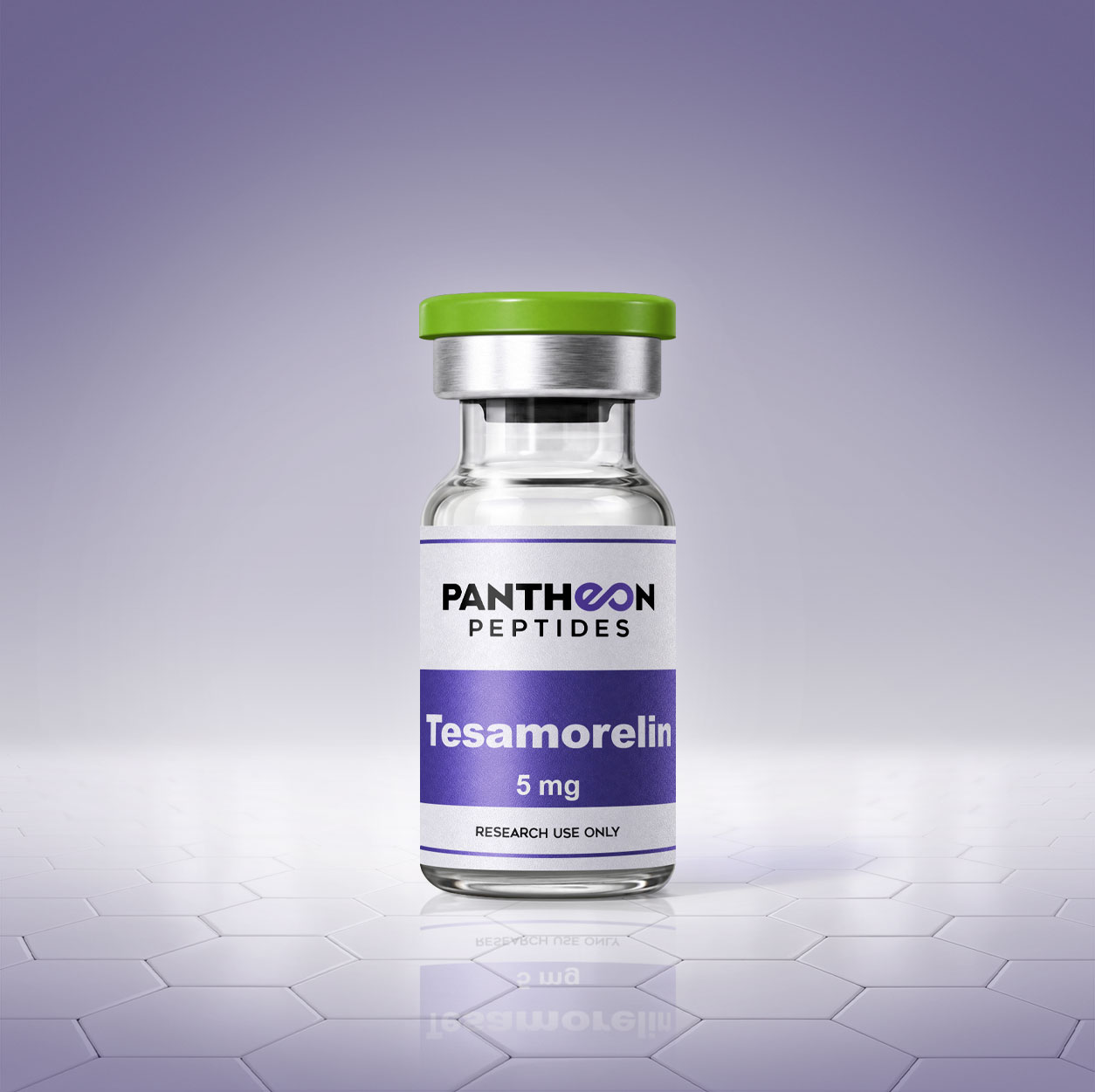
  • Tesamorelin: Fat Loss and Hormone Optimization

    Tesamorelin - Fat Loss and Hormone Optimization

    Tesamorelin has quickly become one of the most searched peptides for fat loss, metabolism, and anti-aging. If you’ve been looking into peptides for fat loss or ways to reduce stubborn belly fat, you’ve likely come across it.

    But what exactly is tesamorelin, and why is it gaining so much attention? Let’s break it down in simple terms.

    A Short History of Tesamorelin

    Tesamorelin was developed as a growth hormone releasing hormone (GHRH) peptide, designed to help the body naturally produce more growth hormone.

    It became widely known in 2010, when it was approved for medical use to treat excess abdominal fat in HIV patients. This marked a big moment, as tesamorelin showed clear results in reducing visceral fat, the deep belly fat linked to many health risks.

    Since then, research and interest have expanded well beyond its original use.

    What Is Tesamorelin Used For?

    Tesamorelin supports visceral fat reduction, weight management, growth hormone optimization, and improved body composition, and many people look to it for weight loss and visceral fat because it targets fat differently than traditional approaches.

    How Tesamorelin Works

    Understanding how tesamorelin works is actually pretty simple. Tesamorelin acts as a signal to your brain. It tells your pituitary gland to release more natural growth hormone. This increase then raises IGF-1 levels, which play a key role in fat metabolism.

    In short, it does not replace hormones but instead helps your body produce its own naturally. This is why tesamorelin is often preferred over direct hormone therapies.

    Does Tesamorelin Reduce Belly Fat?

    One of the most frequently asked questions is whether it actually works, and the answer is yes, especially when it comes to reducing visceral belly fat.

    Unlike general weight loss methods, tesamorelin specifically targets deep abdominal fat, which is harder to lose through diet and exercise alone.

    This makes it one of the most researched peptides for stubborn belly fat, waistline reduction, and improved fat distribution.

    Tesamorelin Benefits

    There are several reasons why tesamorelin is gaining popularity.

    1. Visceral Fat Loss

    Tesamorelin is best known for helping reduce visceral fat, not just surface-level fat. This type of fat is closely linked to metabolic health.

    2. Improved Body Composition

    Users and researchers often report a leaner physique, a better fat-to-muscle ratio, and a more defined body shape.

    3. Natural Growth Hormone Support

    Because it’s a GHRH peptide, tesamorelin supports your body’s natural hormone rhythm rather than overriding it.

    4. Metabolic Health Support

    Tesamorelin may also support better insulin sensitivity, improved lipid profiles, and overall metabolic balance.

    5. Anti-Aging Potential

    There is growing interest in tesamorelin anti-aging effects, especially related to recovery, cellular repair, and cognitive support.

    Tesamorelin Results: What to Expect

    Results can vary, but many people begin to notice early changes within a few weeks, with more visible fat loss developing over a few months.

    When people search for tesamorelin before and after, they are usually looking at changes in abdominal fat and body composition.

    Tesamorelin Dosage and Considerations

    Dosage can vary depending on how it is used, so it’s important to have the right knowledge and guidance. Like any compound, people also ask about tesamorelin side effects. Research shows it is generally well tolerated, but responses can vary from person to person.

    Why Tesamorelin Is So Popular Right Now

    There’s a reason searches for terms like tesamorelin review, buy tesamorelin, and tesamorelin results are so frequent online, they reflect real user interest and growing demand. Tesamorelin stands out because it offers targeted fat loss, especially around the belly, a natural approach to hormone support, and strong research backing compared to many other peptides.

    Final Thoughts: Is Tesamorelin Worth the Attention?

    Tesamorelin isn’t just another trend, it represents a smarter, more targeted approach to fat loss and metabolic health. Instead of forcing the body to change, it works by enhancing natural processes. That’s a big reason why interest in tesamorelin continues to grow.

    If you’re exploring advanced options for visceral fat reduction, body composition, or growth hormone optimization, tesamorelin is one of the most promising peptides available today.

    Buy Tesamorelin

    Tesamorelin - fat loss

  • 5-AMINO-1MQ – A Breakthrough in Weight Loss and Diabetes Management

    5-AMINO-1MQ - A Breakthrough in Weight Loss and Diabetes Management

    In the realm of advanced peptide research, 5-AMINO-1MQ has gained attention for its potential to aid in weight loss, improve metabolic function, and combat insulin resistance. As obesity and diabetes continue to affect millions worldwide, researchers have explored innovative treatments that target the root causes of metabolic dysfunction. This article delves into the science behind 5-AMINO-1MQ, its benefits, and its potential role in improving metabolic health.

    What is 5-AMINO-1MQ?

    5-AMINO-1MQ is a small-molecule peptide that functions as an inhibitor of nicotinamide N-methyltransferase (NNMT), an enzyme linked to fat accumulation and metabolic disorders. NNMT is found in fat cells and is responsible for regulating energy metabolism. When overexpressed, NNMT contributes to obesity and insulin resistance, making it a promising target for therapeutic interventions.

    By blocking NNMT activity, 5-AMINO-1MQ helps increase cellular energy expenditure, reduce fat storage, and improve insulin sensitivity. Studies suggest that NNMT inhibitors like 5-AMINO-1MQ could be effective in reducing adiposity and enhancing metabolic function, particularly in individuals struggling with obesity or type 2 diabetes.

    How 5-AMINO-1MQ Affects Weight Loss and Fat Reduction

    One of the primary benefits of 5-AMINO-1MQ is its ability to facilitate weight loss at the cellular level. By inhibiting NNMT, the peptide enhances nicotinamide metabolism, leading to increased energy production and fat oxidation. Unlike conventional weight loss supplements that focus on appetite suppression, 5-AMINO-1MQ directly influences fat cell metabolism, making it a novel approach to weight management.

    Preclinical research has shown that mice treated with NNMT inhibitors experienced significant reductions in body weight and fat mass without changes in diet or exercise levels. This suggests that 5-AMINO-1MQ could help individuals struggling with stubborn fat loss by activating natural metabolic pathways rather than inducing artificial appetite suppression.

    The Role of 5-AMINO-1MQ in Diabetes and Insulin Resistance

    Beyond weight loss, 5-AMINO-1MQ has shown promise in improving glucose metabolism and insulin sensitivity. Insulin resistance is a key factor in the development of type 2 diabetes, and NNMT has been linked to impaired glucose homeostasis.

    By lowering NNMT activity, 5-AMINO-1MQ helps regulate blood sugar levels, reducing the strain on pancreatic beta cells and improving insulin function. This makes it a valuable candidate for individuals with prediabetes or those seeking better glycemic control. Additionally, the increased cellular energy production from 5-AMINO-1MQcould combat diabetes-related fatigue and enhance overall metabolic efficiency.

    Benefits of 5-AMINO-1MQ

    • Enhanced Fat Loss: By increasing energy expenditure at the cellular level, 5-AMINO-1MQ helps the body burn excess fat more efficiently.
    • Improved Insulin Sensitivity: Research suggests 5-AMINO-1MQ can help lower blood sugar levels and improve insulin response.
    • Boosted Energy Metabolism: The inhibition of NNMT leads to higher nicotinamide levels, supporting mitochondrial function and increasing energy production.
    • Reduced Fat Storage: Unlike traditional weight loss supplements, 5-AMINO-1MQ directly targets the metabolic pathways responsible for fat accumulation.

    How is 5-AMINO-1MQ Administered?

    Typically, 5-AMINO-1MQ is available in capsule or injectable form. Dosage recommendations vary depending on individual goals and medical guidance. Since this peptide is still under research, consulting a healthcare provider before use is crucial, especially for those with pre-existing conditions such as diabetes or metabolic disorders.

    Future of 5-AMINO-1MQ in Metabolic Health

    With obesity and diabetes reaching epidemic levels worldwide, 5-AMINO-1MQ represents an innovative breakthrough in metabolic research. By specifically targeting nicotinamide N-methyltransferase (NNMT) inhibition, this peptide addresses a critical enzyme linked to obesity-related conditions, insulin resistance, and metabolic dysfunction. Unlike traditional weight loss methods that often focus on caloric restriction or appetite suppression, 5-AMINO-1MQ enhances cellular energy metabolism at the molecular level, potentially leading to more sustainable and long-term weight management solutions.

    Ongoing research aims to explore its safety, efficacy, and potential applications in clinical settings. Future studies may confirm its role in preventing metabolic diseases, improving insulin sensitivity, and enhancing fat metabolism, making it a promising candidate for pharmaceutical development. If proven effective through large-scale human trials, 5-AMINO-1MQ could revolutionize the treatment landscape for obesity, type 2 diabetes, and metabolic syndrome, offering a targeted, science-backed approach to fat loss and metabolic health.

    Conclusion

    5-AMINO-1MQ stands out as a promising peptide for weight loss and metabolic health, offering a scientific approach to fat reduction and insulin regulation. Unlike traditional weight loss supplements, it targets the root cause of metabolic dysfunction, making it a potential game-changer for individuals with obesity and diabetes. While more human research is needed, its current findings highlight its potential as an innovative solution for those seeking sustainable weight loss and better metabolic control. Always consult with a healthcare professional before beginning any peptide-based therapy to ensure safe and effective use.

    5-AMINO-1MQ Peptides

    Buy 5-Amino-1MQ

  • Your Secret for Effective Weight Loss.

    Your Secret for Effective Weight Loss

    In the ever-evolving world of health and fitness, the search for effective weight loss solutions is constant. While diet and exercise remain the cornerstone of a healthy lifestyle, a growing body of research suggests that peptides could be a game-changer for those looking to shed extra pounds and optimize their wellness journey.

    What Are Peptides?

    Peptides are short chains of amino acids, the building blocks of proteins. They naturally occur in the body and play crucial roles in various physiological functions, including hormone regulation, immune response, and tissue repair. Recently, their potential in weight management has garnered significant attention.

    How Do Peptides Aid in Weight Loss?

    Certain peptides have been identified as particularly beneficial for weight loss due to their ability to influence metabolic processes. Here’s how they work:

    1. Appetite Regulation: Some peptides, like GLP-1 (Glucagon-Like Peptide-1), can help regulate appetite by signaling to your brain that you’re full. This can reduce cravings and help control caloric intake, making it easier to stick to a healthy eating plan.
    2. Boosting Metabolism: Peptides like CJC-1295 and Ipamorelin can stimulate the production of growth hormone, which in turn can enhance metabolism. A faster metabolism means your body burns more calories at rest, contributing to weight loss.
    3. Fat Breakdown: Peptides such as AOD-9604 have been shown to target and break down fat cells, specifically helping to reduce body fat while preserving lean muscle mass.
    4. Improved Insulin Sensitivity: Certain peptides can improve how the body uses insulin, leading to better blood sugar control and reduced fat storage. This is particularly beneficial for those struggling with insulin resistance, a common issue in obesity.

    The Science Behind Peptide Therapy for Weight Loss

    Clinical studies have demonstrated that peptides can be an effective adjunct to traditional weight loss methods. For example, a study on the peptide AOD-9604 showed a reduction in body fat in individuals who were also following a low-calorie diet and exercise program. Similarly, GLP-1 receptor agonists have been approved by the FDA for managing obesity due to their effectiveness in reducing appetite and aiding weight loss.

    How to Incorporate Peptides into Your Weight Loss Plan

    Peptide therapy should be approached as a supplement to a comprehensive weight loss plan that includes diet, exercise, and lifestyle modifications. Consulting with a healthcare professional is crucial before starting peptide therapy to ensure it’s appropriate for your individual needs.

    Peptides are typically administered through subcutaneous injections, though some may be available in oral or topical forms. The dosage and specific type of peptide will depend on your health status, goals, and the advice of your healthcare provider.

    Are There Any Side Effects?

    While peptides are generally well-tolerated, potential side effects can include localized redness or irritation at the injection site, dizziness, and nausea. Long-term safety is still being studied, so ongoing monitoring by a healthcare provider is recommended. Incorporating peptides into your weight loss strategy could be the key to unlocking more effective and sustainable results. However, it’s essential to view them as part of a holistic approach to health, where diet, exercise, and lifestyle choices remain foundational.

    The Future of Weight Loss

    As research continues, the potential of peptides in weight management looks promising. They offer a targeted approach to weight loss, addressing underlying metabolic issues that diet and exercise alone may not fully resolve.

    Incorporating peptides into your weight loss strategy could be the key to unlocking more effective and sustainable results. However, it’s essential to view them as part of a holistic approach to health, where diet, exercise, and lifestyle choices remain foundational.

    Peptides might just be the cutting-edge tool you’ve been looking for to jumpstart your weight loss journey and achieve lasting success!

    View Weight Loss Products

    References

    1. Heffernan MA, et al. Increase of fat oxidation and weight loss in obese mice caused by chronic treatment with human growth hormone or a modified C-terminal fragment. Int J Obes Relat Metab Disord. 2001;25(10):1442-1449. PubMed
    2. Wilding JPH, et al. Once-Weekly Semaglutide in Adults with Overweight or Obesity. N Engl J Med. 2021;384(11):989-1002. PubMed
    3. Teichman SL, et al. Prolonged stimulation of growth hormone (GH) and insulin-like growth factor I secretion by CJC-1295, a long-acting analog of GH-releasing hormone, in healthy adults. J Clin Endocrinol Metab. 2006;91(3):799-805. PubMed
    4. Raun K, et al. Ipamorelin, the first selective growth hormone secretagogue. Eur J Endocrinol. 1998;139(5):552-561. PubMed