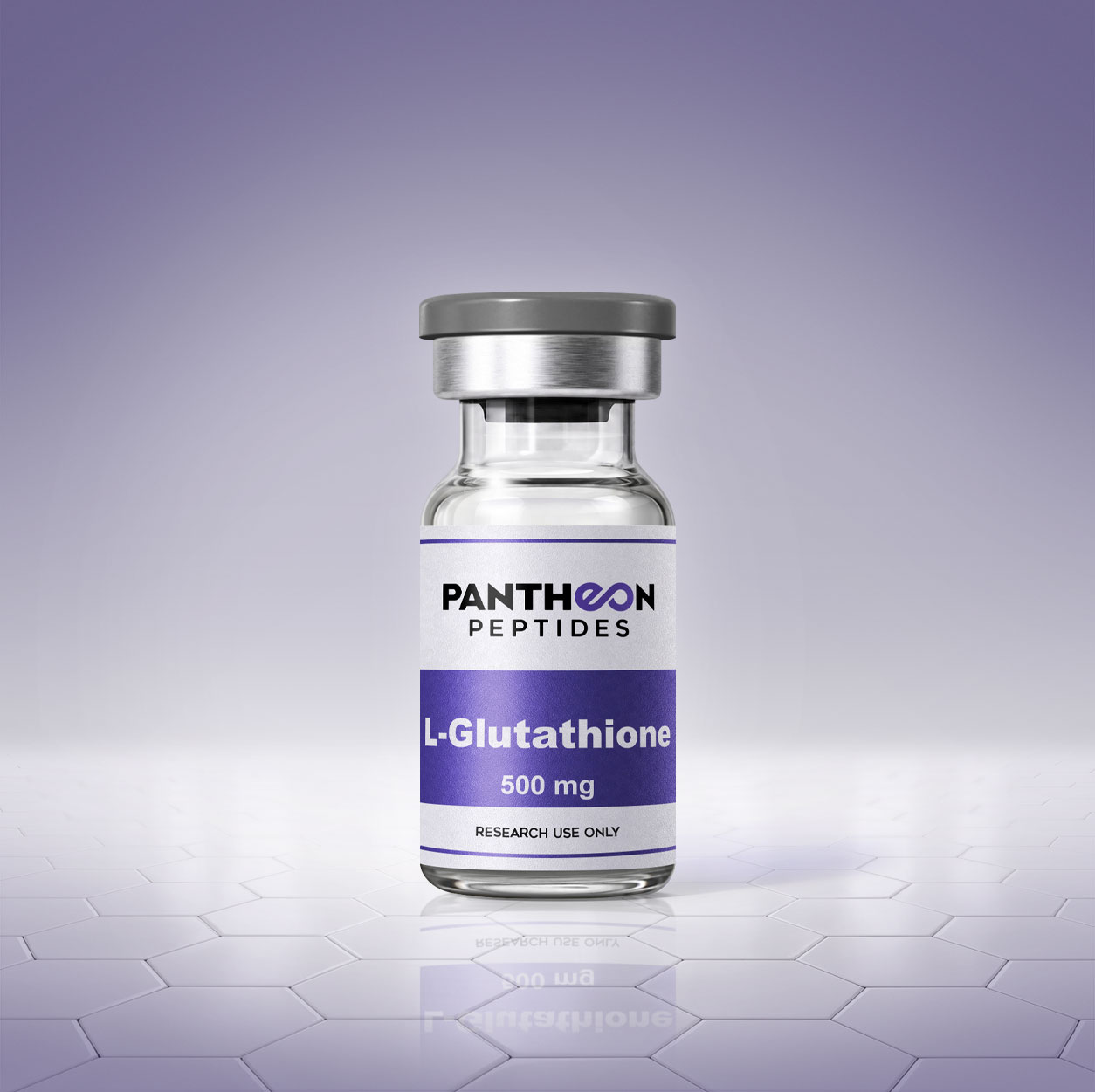
L-Glutathione is often called the body’s most important antioxidant, and for good reason. Found in every cell, this powerful compound plays a central role in detoxification, immune defense, and maintaining overall health. If you are wondering what glutathione is and why it matters, understanding its benefits can help you optimize your wellness routine.
What Is Glutathione?
Glutathione is a naturally occurring antioxidant made from three amino acids: glutamine, glycine, and cysteine. It is essential for protecting cells from oxidative stress, which is caused by free radicals, pollution, and everyday environmental toxins.
As we age, glutathione levels naturally decline. This reduction is linked to fatigue, reduced immune function, and visible signs of aging.
Key L-Glutathione Benefits
One of the most well-known benefits of L-glutathione is its ability to support detoxification. It helps the liver process and eliminate toxins, making it a critical component of the body’s natural cleansing system.
Glutathione is also widely recognized for its role in skin health. Many people use glutathione for skin brightening and improving overall complexion, as it helps reduce oxidative damage that can affect skin clarity.
In addition, glutathione supports immune function by helping the body defend against harmful stressors. Its antioxidant properties also contribute to cellular health and may support healthy aging.
Glutathione and Detox Support
If you are looking for natural detox support, glutathione plays a key role. It binds to toxins and helps remove them from the body, particularly in the liver. This process supports energy levels and overall vitality.
How to Increase Glutathione Levels
There are several ways to increase glutathione levels naturally. Eating sulfur-rich foods like broccoli, garlic, and onions can help support production. Regular exercise and quality sleep also play an important role.
For additional support, many people turn to a glutathione supplement to help maintain optimal levels, especially when facing stress or environmental exposure.
Final Thoughts
L-Glutathione is more than just an antioxidant. It is a foundational molecule for detoxification, immune health, and long-term wellness. Whether your goal is better skin, improved energy, or overall health support, maintaining healthy glutathione levels can make a meaningful difference.
Peptides are fundamental to life and exist throughout nature. They are short chains of amino acids that act as signaling molecules, hormones, and regulators in living organisms. In the human body and across many species, peptides help control essential processes such as metabolism, growth, immune response, and cellular communication. Because of these roles, peptides form one of the essential building blocks that support biological function throughout nature.
\n\n\n\n
Where Modern Peptides Come From
\n\n\n\n
Because peptides play such an important role in biology, many people wonder where the peptides used today actually come from. Decades ago, some compounds were extracted from animal tissues, but modern science has replaced those methods with advanced manufacturing techniques. Today, peptides are produced entirely in controlled laboratory environments without using plants, animals, or human donors. Scientists assemble amino acids, the same natural building blocks found throughout nature, in precise sequences to create peptides that typically range from two to about fifty amino acids in length.
\n\n\n\n
How Peptides Are Manufactured
\n\n\n\n
Understanding how peptides are manufactured helps many customers feel more confident about the products they use. The amino acids that form peptides are the same fundamental building blocks found throughout nature. In the laboratory, however, they are assembled with precise control to ensure a consistent, highly purified final product.
\n\n\n\n
Peptides are produced using a well-established laboratory technique called solid phase peptide synthesis (SPPS). This method constructs the peptide step by step, adding one amino acid at a time in a carefully controlled sequence. The process takes place in an automated instrument known as a peptide synthesizer, which ensures accuracy and consistency throughout the manufacturing process.
\n\n\n\n
Synthesis begins with a solid material called a resin, which anchors the first amino acid. Each additional amino acid is chemically activated so it can bond to the growing chain, while temporary protective groups prevent unwanted reactions. After each step, these protective groups are removed and the next amino acid is added. This cycle repeats until the complete sequence has been assembled, producing a clean and precisely constructed peptide through highly controlled laboratory chemistry.
\n\n\n\n
The finished peptide is typically provided as a stable, freeze-dried powder. It is produced entirely in a laboratory environment and is not sourced from plants, animals, or human donors. Although fully synthetic, its molecular structure closely replicates peptides naturally found in biological systems, combining the precision of modern chemistry with the fundamental design principles of nature.
\n\n\n\n
Looking Ahead: The Future of Peptide Science
\n\n\n\n
As science continues to advance, peptides are becoming an increasingly important part of modern innovation and health-focused technology. Their ability to precisely interact with biological systems makes them one of the most exciting areas of scientific progress today—demonstrating how the building blocks of nature can be harnessed through advanced chemistry to unlock new possibilities for the future.
In the past decade, the health and wellness world has witnessed a remarkable transformation. Traditional approaches have given way to advanced, science-backed solutions, with peptides leading the charge in this new era. These small but powerful molecules have emerged as a breakthrough in the quest for optimal health, physical performance, and overall well-being. Offering targeted effects with minimal side effects, peptides are helping us unlock the body’s natural potential like never before.
The rise of peptides marks the beginning of a new era in health optimization. With their ability to target specific biological processes and their growing popularity in the wellness community, peptides are not just a passing trend they are the future of health.
This article explores the science behind peptides, their role in health and body optimization, and why they’re seen as the “miracle” of modern wellness.
What Are Peptides?
Peptides are short chains of amino acids, the building blocks of proteins. Unlike larger proteins, peptides are small enough to easily penetrate cells and tissues, making them highly effective at influencing specific biological processes. In the human body, peptides act as messengers, sending signals between cells to regulate various functions like cell repair, immune response, hormone balance, and tissue regeneration.
Peptides occur naturally in the body, but as we age or encounter stress, our natural production of these vital molecules can decline. This is where peptide supplementation comes into play, offering a way to replenish and boost these critical signaling molecules.
How Peptides Work: Precision in Action
The true magic of peptides lies in their precision. Unlike many pharmaceutical drugs that can have broad, non-specific effects on the body, peptides can target specific receptors on cells, activating precise functions without disrupting other systems. This ability to home in on exact biological pathways makes peptides an invaluable tool for those seeking to fine-tune their health.
For example, growth hormone-releasing peptides like CJC-1295 stimulate the release of growth hormone from the pituitary gland, leading to benefits like enhanced muscle growth, better fat metabolism, and improved recovery from physical exertion. Other peptides, such as BPC-157, are known for their profound effects on tissue repair and gut health, making them ideal for individuals recovering from injuries or managing conditions like inflammatory bowel disease.
The Rise of Peptides in Body Optimization
As the concept of biohacking using science and self-experimentation to optimize one’s body gains popularity, peptides have become a go-to tool for those looking to push the limits of their physical and mental performance. Here are some of the most impactful ways peptides are changing the landscape of body optimization:
1. Muscle Growth and Recovery
One of the most sought-after benefits of peptides is their ability to enhance muscle growth and accelerate recovery. Peptides like Ipamorelin and CJC-1295 stimulate the production of growth hormone, leading to increased muscle protein synthesis and faster recovery times after intense workouts. For athletes and fitness enthusiasts, this means quicker progress in strength and endurance, with less downtime due to soreness or injury.
2. Weight Loss
Peptides also play a crucial role in metabolic regulation, making them effective tools for fat loss. By stimulating growth hormone levels, peptides can boost the body’s metabolism, encouraging fat burning while preserving lean muscle mass. This has made peptides a popular choice for those seeking to improve body composition without resorting to extreme dieting or aggressive exercise regimens.
3. Anti-Aging & Skin Health
Peptides like GHK-Cu have gained a reputation in the world of anti-aging and skincare. GHK-Cu, a copper peptide, has been shown to stimulate collagen production, reduce fine lines and wrinkles, and promote skin elasticity. By encouraging the body’s natural production of collagen, GHK-Cu helps rejuvenate the skin from within, offering a natural alternative to invasive cosmetic procedures.
4. Cognitive Enhancement
Mental performance is just as important as physical health, and peptides like Selank and Semax have emerged as powerful cognitive enhancers. These peptides work by modulating neurotransmitter levels such as dopamine and serotonin, helping to reduce anxiety, enhance focus, and improve memory. This makes them popular among students, professionals, and anyone looking to enhance mental clarity and resilience in stressful situations.
5. Immune Support & Inflammation Management
Chronic inflammation is a major contributor to many modern health issues, including autoimmune conditions and cardiovascular disease. Peptides like Thymosin Alpha-1 have been shown to modulate immune responses and reduce inflammation, making them valuable for supporting overall immune health and managing chronic inflammatory conditions.
6. Bone & Tissue Regeneration
One of the most profound applications of peptides is their ability to support bone and tissue regeneration. Peptides such as BPC-157 and TB-500 have shown promise in accelerating the healing process of bones, tendons, ligaments, and soft tissue. BPC-157, in particular, is known for its role in promoting angiogenesis (the formation of new blood vessels), which is crucial for delivering nutrients to damaged tissues and enhancing healing. This makes it ideal for athletes recovering from injuries and those suffering from conditions that weaken bones or connective tissues.
Additionally, peptides can stimulate the production of growth factors that are essential for maintaining bone density, which can be particularly beneficial for aging individuals or those with osteoporosis. By promoting faster recovery and reinforcing bone strength, peptides play a vital role in maintaining long term mobility and resilience.
The Science-Backed Potential of Peptides
The expanding body of research around peptides is providing compelling evidence of their potential in health optimization. Unlike traditional pharmaceuticals, peptides offer a safer and more natural approach to achieving specific health goals. Their ability to activate precise biological pathways means they can be used to restore balance in the body, whether that means boosting hormone levels, enhancing tissue repair, or supporting immune function.
Moreover, the low side-effect profile of peptides makes them suitable for long-term use, making them a sustainable option for those looking to maintain their peak physical and mental performance over time. As peptide research continues to advance, new applications are likely to emerge, further solidifying their role in the future of medicine and wellness.
Why Peptide Therapy Matters
The advent of peptide therapy represents a shift in how we think about health and wellness. Rather than relying solely on broad-spectrum treatments that can come with a range of side effects, peptides offer a targeted, personalized approach to health care. They allow us to optimize our bodies from within, tapping into the same molecules our bodies naturally use to repair, heal, and thrive.
Conclusion: Live a healthier and more vibrant life!
Peptide therapy represents a shift in how we think about health and wellness. These powerful molecules are helping us unlock a deeper understanding of the body’s natural potential, allowing us to live healthier, more vibrant lives. As we enter this new era of precision medicine, peptides are becoming an essential part of the toolkit for athletes, biohackers, and anyone seeking to take control of their health. Whether the goal is building muscle, fighting the signs of aging, improving cognitive function, or recovering from injury, peptides offer a promising path forward.
References
Teichman SL, et al. Prolonged stimulation of growth hormone (GH) and insulin-like growth factor I secretion by CJC-1295, a long-acting analog of GH-releasing hormone, in healthy adults. J Clin Endocrinol Metab. 2006;91(3):799-805. PubMed
Pickart L, Margolina A. Regenerative and Protective Actions of the GHK-Cu Peptide in the Light of the New Gene Data. Int J Mol Sci. 2018;19(7):1987. PubMed
Camerini R, Garaci E. Historical review of thymosin α1 in infectious diseases. Expert Opin Biol Ther. 2015;15 Suppl 1:S117-S127. PubMed
Goldstein AL, et al. Thymosin β4: a multi-functional regenerative peptide. Basic properties and clinical applications. Expert Opin Biol Ther. 2012;12(1):37-51. PubMed