Category: Bone & Tissue Regeneration

  • Comprehensive Guide to GHK-Cu  

    \n
    GHK-Cu Peptides
    \n\n\n\n

    \n\n\n\n

    You might wonder, what makes GHK-Cu so extraordinary? Naturally sourced from human plasma, GHK-Cu is renowned for its powerful rejuvenating capabilities. Picture an ingredient that targets aging at its core—working at the cellular level to restore vitality. That’s the magic of GHK-Cu.

    \n\n\n\n

    The Discovery of GHK-Cu

    \n\n\n\n

    GHK-Cu was first discovered in 1973 by biochemist Dr. Loren Pickart. While studying liver regeneration in aging individuals, Dr. Pickart noticed that a specific peptide in younger blood was able to revert the protein profile of older liver cells to a more youthful state. This peptide turned out to be GHK, and when bonded with copper ions—forming GHK-Cu—it revealed powerful biological properties. His research opened the door to understanding how this complex could stimulate tissue repair, regulate gene expression, and support regenerative medicine. Since then, GHK-Cu has been studied extensively for its anti-aging and healing potential.
    \n\n\n\n
    \n
    \n
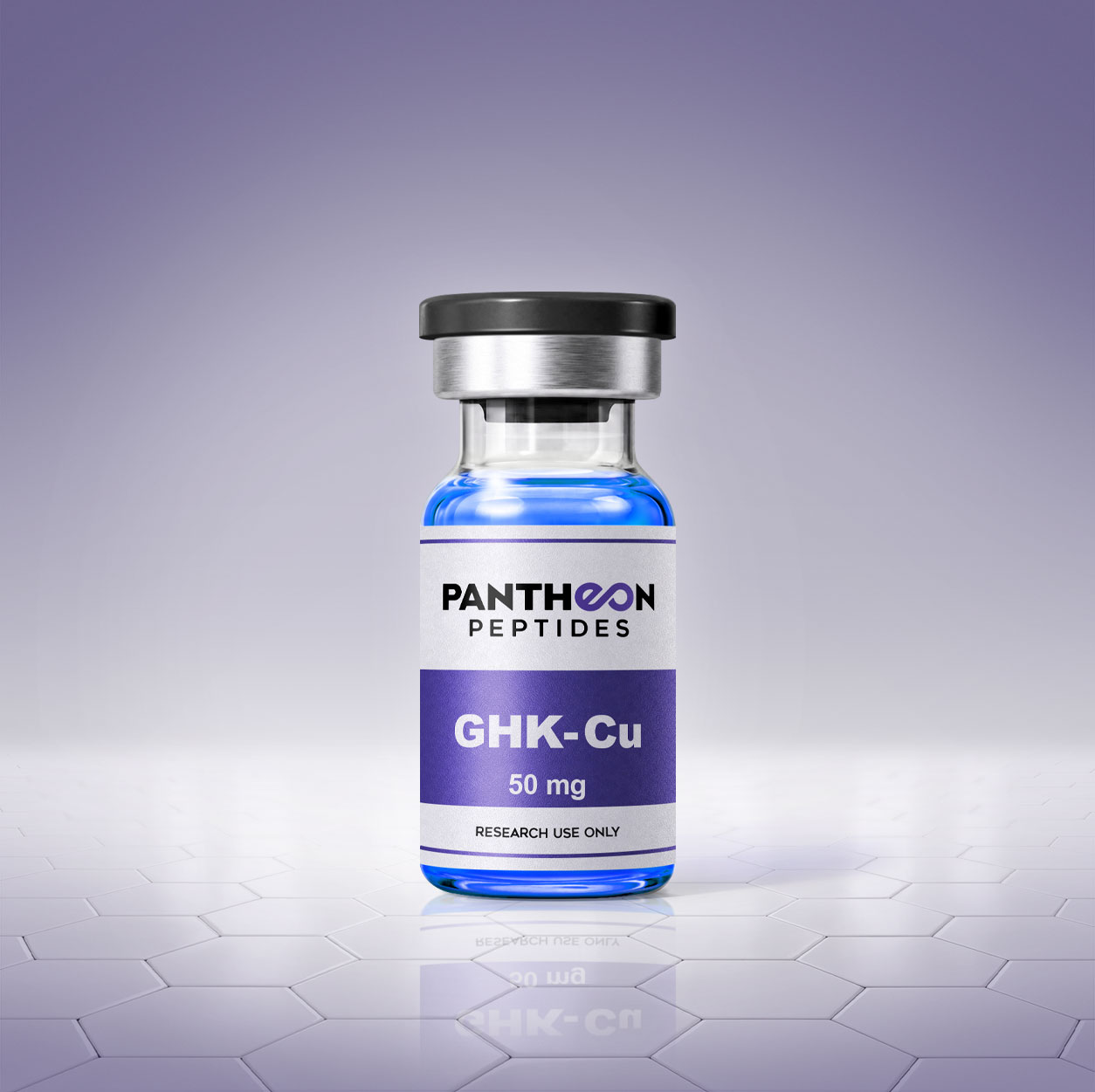
    GHK-CU peptides
    \n
    \n\n\n\n
    \n

    Benefits of GHK-Cu

    \n\n\n\n
      \n
    • Stimulates collagen production.
    • \n\n\n\n
    • Skin Regeneration and Wound Healing.
    • \n\n\n\n
    • Anti-Aging.
    • \n\n\n\n
    • Anti-Inflammatory and Antioxidant.
    • \n\n\n\n
    • Promotes Hair Growth.
    • \n\n\n\n
    • Protects against oxidative stress.
    • \n\n\n\n
    • Supports Brain Health.
    • \n\n\n\n
    • Improves nervous system health.
    • \n\n\n\n
    • Chronic Disease Management.
    • \n
    \n
    \n
    \n\n\n\n

    GHK-Cu Enhances Collagen Production 

    \n\n\n\n

    Collagen, a critical protein that provides structure, strength, and elasticity to the skin, diminishes with age, leading to wrinkles, sagging, and a loss of firmness. GHK-Cu peptides are scientifically proven to stimulate the synthesis of collagen types I and III, which are essential for youthful skin. By activating fibroblasts—cells responsible for collagen production—GHK-Cu enhances the skin’s ability to rebuild its extracellular matrix, a network of proteins that supports skin structure. Furthermore, studies reveal that GHK-Cu not only promotes new collagen synthesis but also protects existing collagen from degradation by inhibiting the activity of enzymes like matrix metalloproteinases (MMPs), which break down collagen. When combined with hyaluronic acid, a natural substance known for its ability to retain moisture and improve skin hydration, the synergistic effects are profound. For individuals exploring how GHK-Cu boosts collagen production or seeking peptides for youthful skin, this pairing is potent solution for maintaining healthy, vibrant, and youthful skin.

    \n\n\n\n

    \n\n\n\n

    Skin Regeneration and Wound Healing

    \n\n\n\n

    GHK-Cu peptides are highly regarded for their powerful role in skin regeneration and wound healing, supported by extensive scientific evidence. Their effectiveness stems from their multifaceted ability to enhance critical processes involved in tissue repair. GHK-Cu promotes the migration and proliferation of fibroblasts and keratinocytes—cells essential for rebuilding skin structure and closing wounds—while stimulating the production of key extracellular matrix components like collagen, elastin, and glycosaminoglycans. These components not only rebuild damaged tissue but also improve skin elasticity and strength. Additionally, GHK-Cu reduces inflammation by downregulating pro-inflammatory cytokines such as interleukin-6 (IL-6) and tumor necrosis factor-alpha (TNF-α), creating an optimal environment for healing. Its antioxidant properties are equally vital, as it boosts the activity of enzymes like superoxide dismutase (SOD), which neutralize harmful free radicals that can impede the healing process. By also promoting angiogenesis—the formation of new blood vessels—GHK-Cu ensures an adequate supply of oxygen and nutrients to the regenerating tissue, accelerating recovery and improving overall outcomes. These combined effects make GHK-Cu peptides a powerful tool for anyone seeking scientifically backed peptides for wound healing and skin regeneration.

    \n\n\n\n

    \n\n\n\n

    Anti-aging properties of GHK-Cu

    \n\n\n\n

    One of the key benefits of GHK-Cu peptides is their remarkable role in anti-aging. GHK-Cu boosts collagen production, which is essential for maintaining youthful, elastic skin, and helps reduce fine lines, improving skin texture and radiance. Research shows that GHK-Cu enhances skin elasticity, promotes granular tissue formation, and stimulates angiogenesis—the growth of new blood vessels—thereby supporting overall skin health. What makes GHK-Cu particularly effective is its ability to reset gene expression to a healthier, more balanced state, which has profound implications for anti-aging. Studies have demonstrated that GHK-Cu can influence the expression of over 4,000 genes involved in vital processes like tissue repair, inflammation regulation, and oxidative stress defense. By upregulating genes responsible for collagen synthesis, antioxidant production, and cellular regeneration, GHK-Cu helps to rejuvenate and regenerate skin, while simultaneously downregulating genes linked to chronic inflammation, fibrosis, and cellular degradation. This dual action allows GHK-Cu to mitigate harmful processes that accelerate aging and disease, making it an exceptional therapeutic agent for not only improving skin health and promoting wound healing but also for broader anti-aging and anti-inflammatory applications. Furthermore, GHK-Cu’s antioxidant and anti-inflammatory properties enhance its capacity to combat oxidative stress—a major factor in both aging and chronic conditions—making it a powerful, science-backed tool for restoring skin vitality and overall health.

    \n\n\n\n

    \n\n\n\n

    Powerful anti-inflammatory and antioxidant properties of GHK-Cu

    \n\n\n\n

    GHK-Cu peptides are widely recognized for their powerful anti-inflammatory and antioxidant properties, making them valuable for addressing conditions driven by oxidative stress and inflammation. Oxidative stress, caused by an imbalance between free radicals and the body’s ability to neutralize them, is a primary factor in cellular aging, chronic diseases, and skin damage. GHK-Cu combats this by increasing the production of antioxidant enzymes like superoxide dismutase (SOD) and catalase, which neutralize harmful free radicals and protect cellular structures from damage. Additionally, GHK-Cu has been shown to downregulate pro-inflammatory cytokines such as tumor necrosis factor-alpha (TNF-α) and interleukin-6 (IL-6), which are often elevated in chronic inflammation. By reducing these inflammatory mediators, it not only mitigates tissue damage but also creates a more favorable environment for healing and regeneration. These dual actions make GHK-Cu particularly effective for preventing premature aging, promoting skin health, and supporting recovery from injuries or conditions associated with inflammation. Its ability to simultaneously address oxidative stress and inflammation positions GHK-Cu as a standout therapeutic option for those seeking peptides for reducing inflammation and oxidative stress, offering protection and repair at the cellular level.

    \n\n\n\n

    \n\n\n\n

    GHK-Cu Peptides for Hair Growth

    \n\n\n\n

    If you’re experiencing hair thinning or loss, GHK-Cu peptides could offer a promising solution. Studies have shown that GHK-Cu stimulates hair growth by activating the proliferation of dermal papilla cells, which play a crucial role in the hair follicle cycle. These peptides help to prolong the anagen (growth) phase of the hair cycle while inhibiting the catagen (resting) phase, effectively promoting thicker, healthier hair. Additionally, GHK-Cu has been found to increase the production of vascular endothelial growth factor (VEGF), which supports the formation of new blood vessels, ensuring the hair follicles receive a steady supply of nutrients and oxygen for optimal growth. Research also indicates that GHK-Cu improves scalp health by reducing inflammation and oxidative stress, both of which can contribute to hair loss and follicle miniaturization. For those wondering about GHK-Cu peptides for hair regrowth and thickness, this peptide shows great promise in addressing alopecia and other hair-related issues, offering a science-backed approach to promoting hair restoration and overall scalp vitality.

    \n\n\n\n

    \n\n\n\n

    GHK-Cu and Its Benefits for the Nervous System

    \n\n\n\n

    GHK-Cu has shown great promise in supporting the health and function of the nervous system through several key mechanisms. First, it helps promote nerve regeneration by stimulating the production of vital nerve growth factors, which play a crucial role in repairing damaged neurons and restoring proper function. Additionally, its anti-inflammatory properties are important in reducing harmful inflammation within the brain, which is often linked to neurodegenerative diseases such as Alzheimer’s and Parkinson’s. GHK-Cu also acts as a potent antioxidant, helping to reduce oxidative stress, which can otherwise lead to nerve cell damage and contribute to aging of the nervous system. Beyond its protective effects, GHK-Cu has the potential to improve cognitive function by influencing the expression of genes related to brain health, possibly slowing age-related cognitive decline and supporting memory and learning. Furthermore, GHK-Cu enhances neuroplasticity, the brain’s ability to reorganize itself, adapt to new learning, and recover from injury, which is essential for maintaining mental sharpness and overall brain health. It also aids in healing neural tissues after injuries, such as those caused by traumatic brain injury or spinal cord damage. Overall, GHK-Cu’s regenerative and protective properties make it a promising candidate for improving nervous system health, offering potential therapeutic benefits for a range of neurological conditions.

    \n\n\n\n

    \n\n\n\n

    The Benefits of GHK-Cu in Treating Acute Lung Injury

    \n\n\n\n

    GHK-Cu peptides have demonstrated significant protective effects in models of acute lung injury (ALI), a condition characterized by inflammation, oxidative stress, and damage to lung tissue. Research indicates that GHK-Cu can reduce inflammation by downregulating pro-inflammatory cytokines such as TNF-α and IL-6, which are key drivers of the inflammatory response in ALI. Furthermore, studies show that GHK-Cu enhances the activity of antioxidant enzymes like superoxide dismutase (SOD) and catalase, helping to neutralize harmful free radicals and protect lung tissue from oxidative damage. In animal models, GHK-Cu has been found to improve lung function, reduce tissue edema, and promote the repair of damaged lung cells. The peptide’s ability to modulate both inflammatory pathways and oxidative stress highlights its potential as a therapeutic agent for not only skin regeneration but also respiratory health. Though not as widely known as its role in skincare, this protective effect in ALI underscores GHK-Cu’s versatility and growing relevance in treating various forms of tissue injury.

    \n\n\n\n

    \n\n\n\n

    GHK-Cu in Chronic Disease Management

    \n\n\n\n

    Emerging research indicates that GHK-Cu peptides may play a significant role in managing chronic diseases. GHK-Cu peptides can help by modulating gene expression to restore a healthier cellular environment. Studies have shown that GHK-Cu can reduce inflammation by downregulating pro-inflammatory cytokines like TNF-α and IL-6, which are elevated in COPD patients. Additionally, GHK-Cu enhances antioxidant defenses by boosting the production of enzymes like superoxide dismutase (SOD), which neutralize harmful free radicals that contribute to lung tissue damage. By regulating these pathways, GHK-Cu peptides not only help reduce the inflammation and oxidative stress associated with COPD but also promote tissue repair and regeneration. These capabilities make GHK-Cu a promising candidate for new treatments targeting the underlying causes of chronic diseases, offering hope for individuals seeking more effective therapies for conditions like COPD.

    \n\n\n\n

    Potential Side Effects of GHK-Cu

    \n\n\n\n

    Research shows that GHK-Cu has a strong safety profile, with minimal adverse reactions reported. Laboratory studies reveal no toxic effects when used orally, topically, or via injection. Rarely, users may report temporary skin irritation, redness, or mild tingling, which typically resolves with continued use. Individuals with copper allergies or Wilson’s disease should avoid GHK-Cu due to potential sensitivities.

    \n\n\n\n

    Starting with a low concentration and gradually increasing it is recommended to minimize irritation and allow the skin to adjust.

    \n\n\n\n

    Conclusion

    \n\n\n\n

    In conclusion, GHK-Cu peptides present a remarkable array of benefits spanning skin health, wound healing, anti-aging, and chronic disease management. Their capacity to stimulate collagen production, enhance skin regeneration, and reduce inflammation makes them a potent ally for achieving youthful, resilient skin. Additionally, GHK-Cu’s antioxidant and anti-inflammatory properties unlock therapeutic potential for addressing issues such as hair thinning, acute lung injury, and other chronic conditions. Furthermore, by influencing gene expression and supporting tissue repair, these peptides provide a science-backed, holistic approach to enhancing overall health and well-being. Their versatility, combined with a growing body of research, positions GHK-Cu as a groundbreaking solution for both cosmetic and medical applications. Notably, GHK-Cu peptides have an excellent safety profile, with only minimal, temporary side effects like mild skin irritation reported, underscoring their promise as a reliable and effective treatment option..

    \n\n\n\n
    \n\n\n\n

    Buy GHK-Cu

    \n\n\n\n\n\n\n\n
    \n\n\n\n\n\n\n\n

    RESEARCH REFERENCE ON GHK-Cu

    \n\n\n\n

    1. Regenerative and Protective Actions of the GHK-Cu Peptide in the Light of the New Gene Data

    \n\n\n\n

    2. GHK Peptide as a Natural Modulator of Multiple Cellular Pathways in Skin Regeneration

    \n\n\n\n

    3. Synergy of GHK‐Cu and Hyaluronic Acid on Collagen IV Generation in Skin Fibroblast

    \n\n\n\n

    4. Skin Regenerative and Anti-Cancer Actions of Copper Peptides

    \n\n\n\n

    5. A Gene Expression Signature of Emphysema-Related Lung Destruction and Its Reversal by the Copper Peptide GHK

    \n\n\n\n

    6. Thermodynamically Stable Ionic Liquid Microemulsions Pioneer Transdermal Delivery of Copper Peptides for Hair Regeneration

    \n\n\n\n

    7. The Effect of the Human Peptide GHK on Gene Expression Relevant to Nervous System Function and Cognitive Decline

    \n\n\n\n

    \n
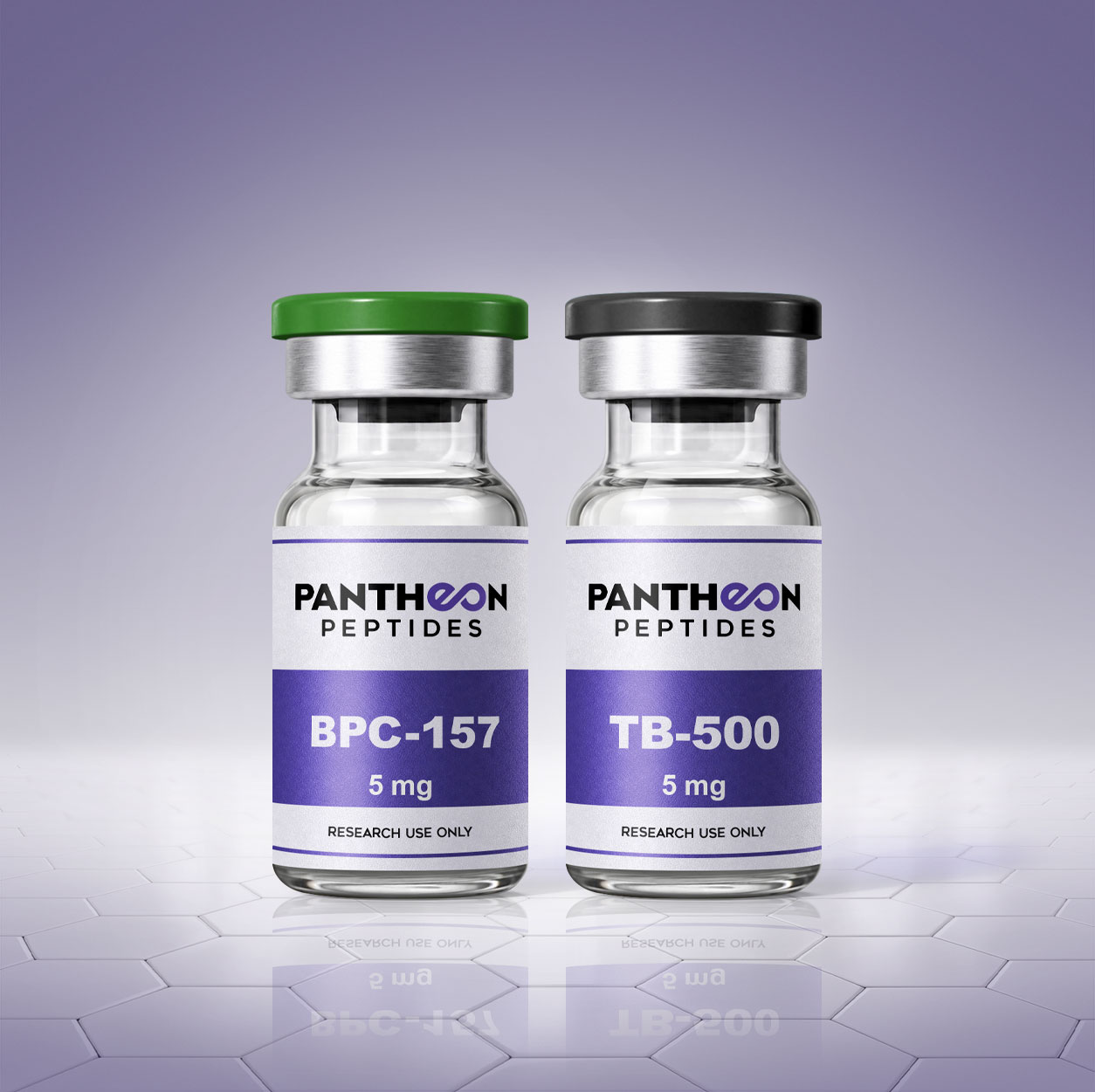
  • The symbiotic effect of BPC-157 and TB-500

    \n
    BPC-157 and TB-500 Blend
    \n\n\n\n

    The blend of BPC-157 and TB-500 presents a compelling solution for enhancing the body’s healing and recovery processes. Each peptide brings unique benefits that, when combined, amplify their therapeutic potential.

    \n\n\n\n

    BPC-157 is renowned for its ability to support tissue repair, reduce inflammation, and accelerate recovery from injuries. It has been studied for its efficacy in healing muscle tears, ligament damage, and even gastrointestinal issues. TB-500 complements this by promoting cellular migration, angiogenesis, and the stimulation of growth factors critical to regeneration. Together, they address both the structural and functional aspects of healing.

    \n\n\n\n

    This blend is particularly popular among athletes and fitness enthusiasts who demand rapid recovery and injury prevention. Beyond sports, the duo shows promise for managing chronic conditions, including joint pain and soft tissue degeneration, enabling individuals to maintain active and healthy lifestyles while minimizing downtime.

    \n\n\n\n

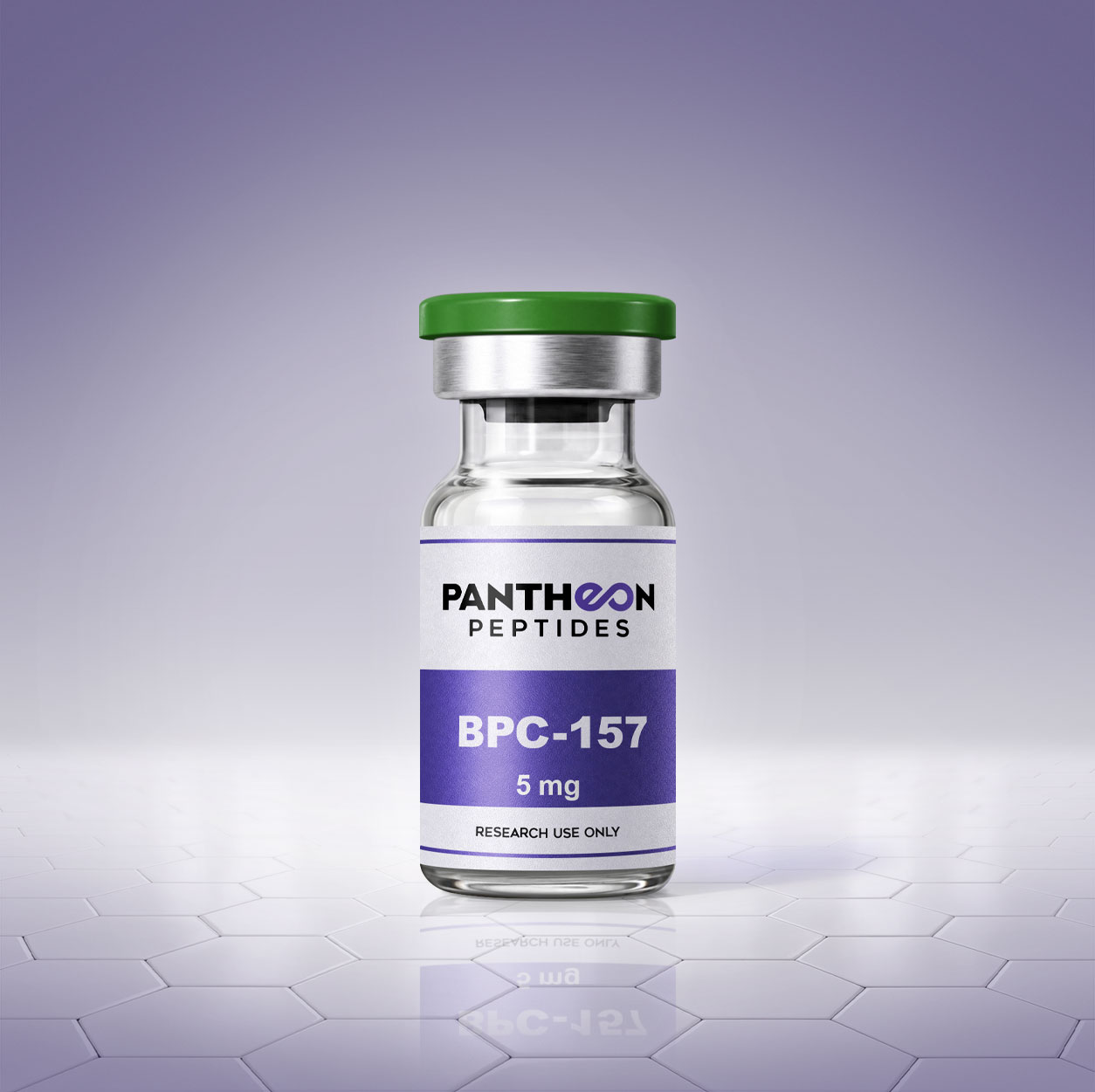
    What is BPC-157?

    \n\n\n\n

    BPC-157 is a synthetic peptide derived from a protein found in human gastric juice. Known for its remarkable healing properties, it supports tissue repair, reduces inflammation, and promotes cell regeneration. Research has shown its potential in healing muscle tears, tendon injuries, and ligaments, as well as improving gut health by addressing conditions like ulcers and inflammatory bowel disease. Additionally, BPC-157 aids angiogenesis, the formation of new blood vessels, which enhances blood flow to damaged tissues and speeds up recovery. Its versatility has garnered interest in sports medicine, chronic disease management, and regenerative therapy.

    \n\n\n\n

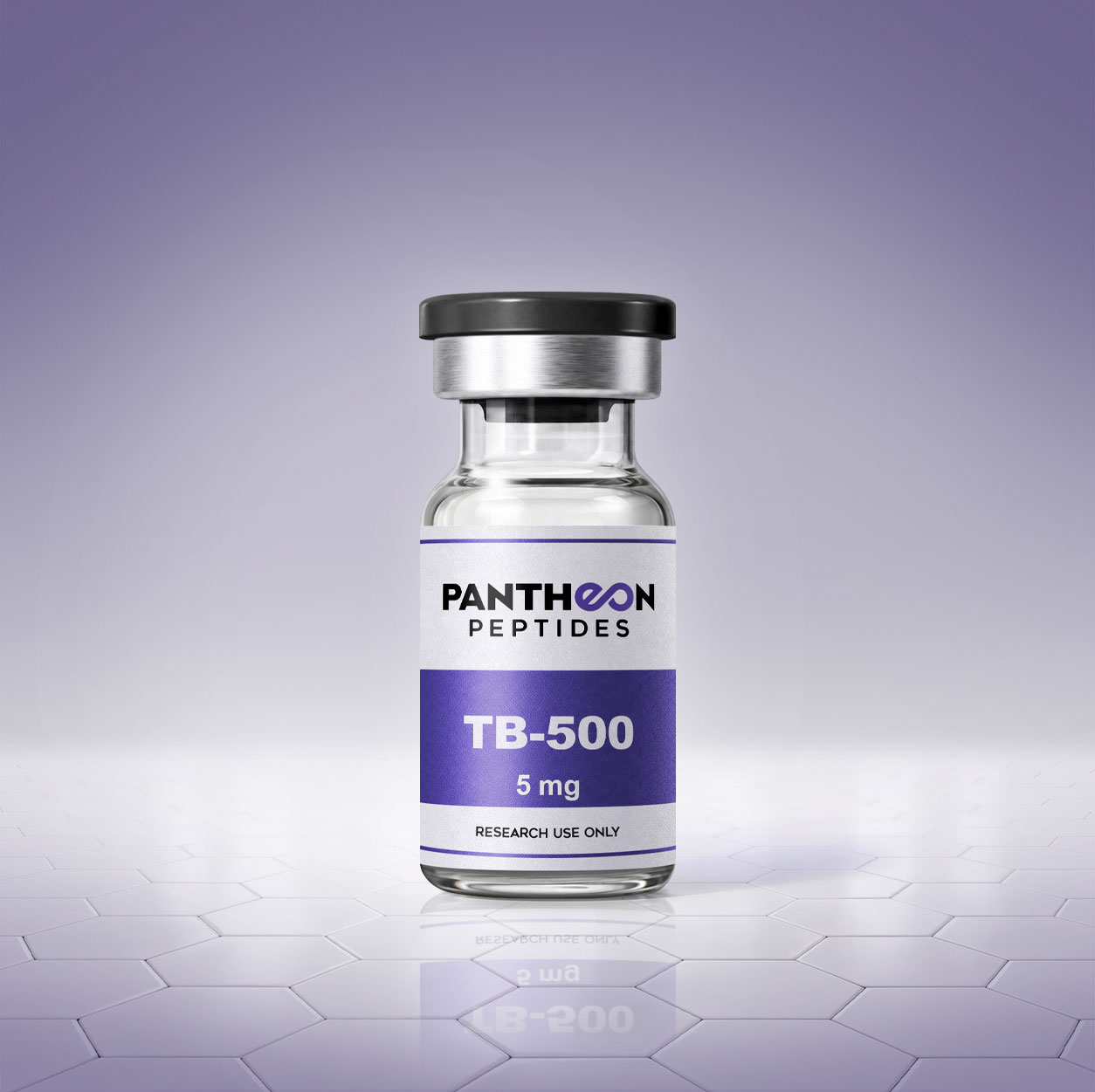
    What is TB-500?

    \n\n\n\n

    TB-500, a synthetic derivative of the naturally occurring peptide thymosin beta-4, is renowned for its regenerative and healing properties. It plays a key role in cell migration, angiogenesis, and tissue repair by promoting the production of actin, a vital protein for cellular structure and movement. TB-500 has shown potential in reducing inflammation, accelerating the healing of injuries, and improving flexibility by minimizing scar tissue formation. It is particularly popular in sports medicine and regenerative therapy for addressing tendon, ligament, and muscle injuries.

    \n\n\n\n

    Symbiotic effect of TB-500 and BPC-157 blend

    \n\n\n\n

    The combination of TB-500 and BPC-157 creates a synergistic effect that enhances the body’s natural healing and regenerative processes. Individually, these peptides offer significant benefits, but their combined use amplifies their therapeutic potential.

    \n\n\n\n

    BPC-157 is renowned for its ability to repair tissues, reduce inflammation, and promote gut and musculoskeletal healing. It enhances blood vessel growth and accelerates the healing of tendons, ligaments, and muscles. On the other hand, TB-500 promotes cellular migration, angiogenesis, and tissue regeneration by increasing actin levels, a protein essential for cellular repair and structure.

    \n\n\n\n

    Together, this duo provides a comprehensive approach to recovery by addressing both inflammation and tissue regeneration. This combination is particularly effective for athletes recovering from injuries, individuals with chronic musculoskeletal conditions, and those seeking to enhance their recovery capacity. Their complementary actions reduce downtime, enhance flexibility by minimizing scar tissue formation, and improve overall healing outcomes.

    \n\n\n\n

    Dosage for BPC-157 and TB-500 blend

    \n\n\n\n

    When determining the optimal dosage for BPC-157 and TB-500, several factors must be considered, including the targeted healing goals, preferred injection techniques, and the specific needs of the individual. A common approach involves starting with a cautious dosage range, typically 250-500 mcg of each peptide daily. Optimal dosages for BPC-157 and TB-500 depend on various elements such as the type and severity of the injury, personal recovery capacity, and specific recovery goals, particularly for athletes. Lower doses are often sufficient for mild injuries, whereas more significant or long-term conditions may necessitate increased amounts to facilitate effective tissue repair and recovery. Individual characteristics, including age, overall wellness, and genetic, also play a pivotal role in how one responds to peptide treatments. 

    \n\n\n\n

    Since individual responses can vary, some users may find that adjustments to the dosage are necessary, depending on their healing progress and tolerance. Subcutaneous injections are the most commonly used method, as they provide localized effects and are relatively straightforward to administer.  To maximize their benefits and ensure safety, it is important to consult with a healthcare provider and follow proper guidelines 

    \n\n\n\n

    Conclusion

    \n\n\n\n

    In conclusion, combining BPC-157 and TB-500 offers a promising approach to enhance healing and recovery through their complementary effects on tissue repair and inflammation reduction. With tailored dosing and proper administration, these peptides significantly accelerate recovery, particularly for athletes or individuals dealing with chronic injuries. It’s no wonder this powerhouse combo is often referred to as “Wolverine”—because, like the X-Men character, it’s all about healing fast and bouncing back stronger than ever!

    \n\n\n\n
    TB-500 Peptides, BPC-157 Peptides
    Buy TB-500 / BPC-157 Bundle
    \n
  • Comprehensive Guide to BPC-157

    \n
    BPC-157 Peptides
    \n\n\n\n

    What is BPC-157? 

    \n\n\n\n

    BPC-157 is a synthetic peptide derived from a naturally occurring protein found in human gastric juices. Composed of 15 amino acids, this peptide has gained significant attention for its potential healing and regenerative properties. Its ability to enhance tissue repair, reduce inflammation, and promote healing has made it a focus of research in medical and athletic communities alike.

    \n\n\n\n

    Key Features and Mechanisms of BPC-157

    \n\n\n\n

    1. Tissue Repair and Regeneration  

    \n\n\n\n

    One of the most notable features of BPC-157 is its ability to accelerate the repair of muscles, tendons, ligaments, and other tissues. Research indicates that it promotes angiogenesis—the process by which new blood vessels form from existing ones—improving blood flow to damaged tissues. Additionally, BPC-157 appears to stimulate the production of growth factors and collagen, essential components in tissue repair and regeneration.  

    \n\n\n\n

    For example, studies on rats with muscle injuries demonstrated that BPC-157 reduced scar tissue formation, increased muscle fiber diameter, and restored function more effectively than untreated subjects. These results suggest that the peptide’s benefits extend beyond pain relief to actually enhancing structural and functional recovery.  

    \n\n\n\n

    2. Anti-Inflammatory Effects  

    \n\n\n\n

    Inflammation is a key component of the body’s natural healing process, but excessive or chronic inflammation can impede recovery and contribute to degenerative conditions. BPC-157 has demonstrated anti-inflammatory properties in several studies, making it a potential therapeutic agent for inflammatory diseases such as arthritis, inflammatory bowel disease, and chronic tendonitis.  

    \n\n\n\n

    3. Gut and Gastrointestinal Health 

    \n\n\n\n

    The peptide’s origins in gastric proteins are linked to its impressive effects on gut health. Research has shown that BPC-157 can protect and heal the gastrointestinal tract, including reducing the severity of ulcers, healing intestinal damage, and mitigating symptoms of inflammatory bowel disease. This makes it a promising candidate for addressing conditions that significantly impact the digestive system.  

    \n\n\n\n

    4. Neuroprotective Capabilities  

    \n\n\n\n

    Emerging research suggests that BPC-157 may offer neuroprotective benefits, including promoting nerve regeneration and repair. In animal models, BPC-157 has been shown to aid in the recovery of injured nerves and improve overall neural function. While more studies are needed to validate these findings, the peptide’s potential to support the central and peripheral nervous systems is noteworthy.  

    \n\n\n\n

    Applications in Research and Medicine

    \n\n\n\n

    1. Muscle and Tendon Injuries 

    \n\n\n\n

    BPC-157’s ability to heal muscle and tendon injuries has been extensively studied in preclinical settings. For instance, a 2020 study published in the Journal of Orthopaedic Research demonstrated that the peptide accelerated healing in transected quadriceps muscles in rats. It improved functional outcomes, decreased fibrosis, and enhanced the alignment of collagen fibers—critical for regaining strength and mobility.  

    \n\n\n\n

    Similarly, research on tendon injuries has revealed BPC-157’s potential to enhance healing in damaged ligaments and prevent complications such as chronic pain or reduced flexibility.  

    \n\n\n\n

    2. Chronic Pain and Arthritis  

    \n\n\n\n

    Chronic pain, particularly in conditions like osteoarthritis, is often linked to inflammation and tissue damage. Studies have shown that BPC-157 can reduce joint inflammation and promote cartilage repair, making it a promising option for managing arthritis. By addressing both the symptoms and underlying damage, the peptide could offer a dual approach to pain relief and functional restoration.  

    \n\n\n\n

    3. Gastrointestinal Disorders 

    \n\n\n\n

    The gastrointestinal tract is one of the most researched areas for BPC-157. Studies have demonstrated its efficacy in treating gastric ulcers, inflammatory bowel conditions like Crohn’s disease and ulcerative colitis, and even systemic effects associated with leaky gut syndrome. Its ability to repair intestinal lining and restore gut integrity positions it as a potential therapeutic agent for digestive health.  

    \n\n\n\n

    4. Neurological Applications  

    \n\n\n\n

    Nerve damage from trauma or degenerative diseases often results in long-term disability and limited treatment options. Preliminary studies indicate that BPC-157 may aid in nerve regeneration, reduce oxidative stress, and mitigate neuroinflammation. These properties make it a potential candidate for treating conditions such as peripheral neuropathy and nerve injuries.  

    \n\n\n\n

    BPC-157 for Chronic Disease Management  

    \n\n\n\n

    BPC-157 shows significant promise in managing chronic conditions like arthritis, autoimmune diseases, and degenerative disorders. Its powerful anti-inflammatory properties help regulate chronic inflammation, a key factor in many of these conditions. Additionally, BPC-157 promotes tissue regeneration, which can assist in healing damaged tissues over time, providing relief and improving function in affected areas.

    \n\n\n\n

    For individuals with arthritis or other inflammatory conditions, BPC-157 may reduce pain and stiffness, improving quality of life. In autoimmune diseases and degenerative disorders, the peptide’s regenerative effects may slow tissue degeneration, potentially reducing disease progression. By addressing both inflammation and tissue repair, BPC-157 has the potential to be a versatile and effective option for long-term management of chronic diseases, offering new hope for individuals suffering from these ongoing health challenges.

    \n\n\n\n

    BPC-157 in Sports Medicine

    \n\n\n\n

    BPC-157 has gained attention in sports medicine for its potential to accelerate recovery and enhance performance. This peptide helps repair muscle, tendon, ligament, and joint injuries by promoting collagen production and tissue regeneration. As a result, athletes can experience faster recovery, reduced risk of re-injury, and quicker relief from inflammation, pain, and swelling.

    \n\n\n\n

    Particularly beneficial for tendon and ligament injuries, BPC-157 stimulates angiogenesis (new blood vessel growth), improving blood flow to damaged tissues and further speeding up healing. It also reduces scar tissue formation, helping to maintain flexibility and mobility after injury.

    \n\n\n\n

    In addition to its recovery benefits, BPC-157 may act as a preventative measure by strengthening tissues and reducing the likelihood of future injuries. Its regenerative properties can enhance overall athletic performance while minimizing long-term complications. With its potential to optimize recovery and prevent injury, BPC-157 holds significant promise for sports rehabilitation. 

    \n\n\n\n

    Safety and Side Effects of BPC-157

    \n\n\n\n

    BPC-157 is considered safe, with no reported lethal dose or severe side effects in research studies. However, some users have reported minor issues such as headaches, nausea, or mild anxiety. It’s important to note that its safety profile in long-term human use remains under investigation, and anyone considering its use should consult a healthcare professional.  

    \n\n\n\n

    Regulatory and Ethical Considerations

    \n\n\n\n

    BPC-157 shows promise but faces significant regulatory challenges. It is not FDA-approved for therapeutic use and is classified as a research peptide, limiting its availability for clinical applications. Additionally, the World Anti-Doping Agency (WADA) banned BPC-157 in competitive sports in 2022 due to concerns about its performance-enhancing effects. This raised alarms about potential misuse by athletes seeking an advantage. As research progresses, regulatory and ethical considerations will play a vital role in determining its appropriate use. Currently, BPC-157’s application remains limited to controlled research settings, with future decisions depending on ongoing studies and safety evaluations.

    \n\n\n\n

    Conclusion

    \n\n\n\n

    BPC-157 stands as a remarkable and versatile peptide, offering immense promise for advancing health and wellness. Its potential to accelerate tissue repair, reduce inflammation, and support overall healing places it at the forefront of innovative therapeutic research. From aiding in muscle recovery to improving gut health and supporting nerve regeneration, BPC-157’s applications are as diverse as they are impactful. As we uncover more about this extraordinary compound, it’s essential to approach its use responsibly. Adhering to ethical practices, legal regulations, and medical guidance ensures its safe and effective application. With ongoing research and growing awareness, BPC-157 holds the potential to revolutionize healthcare, delivering new hope for treating injuries, chronic conditions, and beyond. The future of BPC-157 is bright, and its transformative possibilities inspire optimism. As science continues to push boundaries, this peptide could redefine healing and recovery for generations to come.

    \n\n\n\n
    BPC-157 Peptides
    Buy BPC-157
    \n\n\n\n
    BPC-157 Tablets 500MCG
    Buy BPC-157 Tablets
    \n\n\n\n

    \n
  • A Comprehensive Guide to TB-500 Peptides

    \n
    TB-500 Peptides
    \n\n\n\n

    What is TB-500?

    \n\n\n\n

    TB-500, a synthetic peptide derived from thymosin beta-4, plays a crucial role in regenerative medicine and sports therapy due to its exceptional healing properties. Thymosin beta-4 is vital for tissue regeneration, cell migration, and injury repair, and TB-500 mimics this protein to accelerate the healing process. By promoting actin regulation, TB-500 enhances cellular movement, allowing cells to migrate efficiently to damaged areas and expedite tissue repair. Additionally, it supports angiogenesis, the formation of new blood vessels, which improves oxygen and nutrient delivery to injured tissues, while boosting collagen production for improved skin elasticity and soft tissue recovery. These combined mechanisms make TB-500 particularly effective in sports medicine, helping athletes recover from injuries faster, reducing inflammation, and improving mobility after tendon, ligament, or muscle injuries. It is also commonly used by bodybuilders to enhance recovery after intense workouts or surgeries. Moreover, TB-500 has proven useful in veterinary care, especially for treating musculoskeletal injuries in horses and dogs, where it has shown efficacy in speeding up recovery times. Ultimately, TB-500’s ability to reduce inflammation, promote tissue regeneration, and enhance recovery makes it a valuable tool in healing and rehabilitation.

    \n\n\n\n

    Benefits of TB-500

    \n\n\n\n
      \n
    • Muscle Recovery
    • \n\n\n\n
    • Tissue Repair and Wound Healing
    • \n\n\n\n
    • Reduced Inflammation
    • \n\n\n\n
    • Improved Joint and Tendon Health
    • \n\n\n\n
    • Increased Flexibility and Range of Motion
    • \n
    \n\n\n\n
    Buy TB-500 in Canada
    \n\n\n\n

    Common Uses of TB-500

    \n\n\n\n

    TB-500 for Chronic Pain and Inflammation
    TB-500’s powerful anti-inflammatory properties make it an effective option for addressing chronic pain conditions. It helps alleviate joint pain and stiffness associated with arthritis by reducing inflammation, promoting flexibility, and improving joint mobility. For conditions like tendonitis, TB-500 minimizes inflammation in tendons, enhancing their functionality and reducing discomfort. By targeting the underlying causes of pain, this peptide not only provides relief but also supports long-term recovery. Its ability to combat both localized and systemic inflammation makes it a versatile solution for individuals dealing with chronic pain.

    \n\n\n\n

    TB-500 for Post-Surgical Recovery
    TB-500 is often utilized in post-surgical recovery to support faster healing and minimize complications. By promoting cellular regeneration and enhancing blood flow to injured tissues, it facilitates quicker wound closure and repair. Additionally, its ability to modulate inflammation helps reduce swelling, while also preventing the excessive formation of scar tissue, which can impact mobility and function. These properties make TB-500 a valuable tool for patients recovering from surgeries involving muscles, tendons, or ligaments, ensuring smoother and more efficient rehabilitation under professional supervision.

    \n\n\n\n

    TB-500 for Anti-Aging Therapy
    TB-500 is sometimes used in anti-aging therapy due to its regenerative properties that support cellular repair. It can improve skin elasticity and aid in wound healing, making it beneficial for addressing age-related skin issues. Additionally, TB-500 supports joint health by promoting tissue regeneration and reducing inflammation, which can help improve mobility and reduce stiffness commonly associated with aging. By enhancing collagen production and accelerating recovery, TB-500 may contribute to a more youthful appearance and better overall joint function, making it an appealing option for anti-aging regimens.

    \n\n\n\n

    TB-500 for Athletes
    TB-500 has become a sought-after peptide among athletes for its remarkable ability to promote recovery and performance. Known for accelerating the healing of injuries such as muscle tears, ligament sprains, and joint damage, TB-500 helps athletes reduce downtime and return to training faster. It works by enhancing cell migration, stimulating angiogenesis (formation of new blood vessels), and reducing inflammation in injured tissues.​ Additionally, TB-500 may play a preventative role by strengthening connective tissues and improving flexibility, which can help reduce the risk of future injuries. Its regenerative properties make it particularly valuable for high-performance athletes who demand peak physical condition while navigating the stresses of rigorous training and competition. However, its use is restricted in professional sports due to anti-doping regulations.

    \n\n\n\n

    Arthritis treatment with TB-500
    TB-500 is increasingly recognized for its potential in managing arthritis due to its anti-inflammatory and tissue-repair properties. By reducing joint inflammation, it can alleviate pain and improve mobility in individuals suffering from arthritis. The peptide promotes cell regeneration and supports the healing of soft tissues, including cartilage and tendons, which are often affected by the degenerative processes of arthritis. Additionally, its role in enhancing collagen production helps maintain joint structure and elasticity, providing further relief from stiffness.

    \n\n\n\n

    TB-500 for Rejuvenation and Anti-Aging
    TB-500 is gaining traction in the biohacking community for its potential to enhance rejuvenation and combat the effects of aging. This synthetic peptide, derived from thymosin beta-4, plays a vital role in tissue repair and regeneration, making it a promising tool for anti-aging strategies. By promoting angiogenesis (the formation of new blood vessels) and collagen production, TB-500 supports healthier skin, improved elasticity, and faster recovery from injuries.​ In addition to its cosmetic benefits, TB-500 helps maintain joint health, flexibility, and mobility, addressing common age-related concerns. Biohackers also value its ability to reduce inflammation and oxidative stress, key contributors to aging. While research is ongoing, TB-500 offers exciting possibilities for those seeking enhanced vitality and longevity through innovative regenerative therapies.

    \n\n\n\n

    TB-500 and BPC-157 Stack

    \n\n\n\n

    The combination of TB-500 and BPC-157 creates a powerful synergy for tissue repair and recovery. While TB-500 promotes cell migration, angiogenesis, and inflammation reduction, enhancing blood flow and regeneration at the injury site, BPC-157 works by boosting growth factors, stimulating collagen production, and accelerating the healing process. Together, these peptides target multiple pathways for faster and more effective recovery. TB-500 helps to ensure efficient tissue repair by improving circulation and supporting muscle, tendon, and ligament recovery. BPC-157 further amplifies healing by enhancing cellular regeneration and reducing inflammation. This combination can dramatically reduce recovery times, making it a popular stack for athletes and individuals recovering from injuries or surgeries.

    \n\n\n\n
    TB-500 Peptides, BPC-157 Peptides
    Buy TB-500 and BPC-157 Bundle in Canada
    \n\n\n\n

    Potential Side Effects of TB-500

    \n\n\n\n

    While TB-500 is generally well-tolerated, some individuals may experience mild side effects. Mild irritation at the injection site is common, with temporary redness, swelling, or discomfort. These symptoms typically resolve within a few hours. Some users may also experience fatigue, feeling unusually tired or lethargic after administration, which is usually transient. Additionally, while rare, temporary headaches can occur in a small number of users. These side effects are generally not severe and often subside as the body adjusts to the peptide. However, if any side effect persists or worsens, it’s recommended to consult a healthcare provider to assess proper dosage and usage. Monitoring for any unusual reactions is essential to ensure safe and effective use of TB-500.

    \n\n\n\n

    IS TB-500 Safe?

    \n\n\n\n

    A study described in the PubMed article (PMID: 34346165) was conducted in China. It involved healthy Chinese volunteers and assessed the safety, tolerability, pharmacokinetics, and anti-drug antibody response of human thymosin β4. A total of 54 participants received single intravenous doses of TB-500 or placebo in ascending amounts (0.05 to 25.0 μg/kg) and were monitored for 28 days. An additional 30 participants received multiple doses (0.5, 2.0, or 5.0 μg/kg) daily for 10 days, followed by a 28-day observation period.

    \n\n\n\n

    The results of the study shows that TB-500 is safe and well-tolerated in healthy people. There were no serious side effects or dose-related issues, and the drug’s behavior in the body was consistent and predictable. These results are an important step forward, suggesting that TB-500 could be a promising treatment not only for acute myocardial infarction but also for other conditions such as wound healing, tissue repair, inflammatory diseases, and cardiovascular disorders. This success supports further research to unlock its full potential in multiple areas of medicine.

    \n\n\n\n

    Conclusion

    \n\n\n\n

    For individuals seeking improved healing, pain relief, or injury prevention, TB-500 represents a promising solution backed by scientific mechanisms and practical results. By incorporating TB-500 into a broader recovery or wellness plan, users can harness its benefits for optimized performance and long-term health. However, as with any therapeutic agent, it’s essential to approach TB-500 with caution. Consulting a medical professional, sourcing high-quality products, and adhering to proper dosing protocols are critical steps to maximize its benefits while minimizing risks.

    \n\n\n\n
    Buy TB-500 in Canada
    \n\n\n\n
    BPC-157 Tablets 500MCG
    Buy BPC-157 in Canada
    \n\n\n\n
    TB-500 Peptides, BPC-157 Peptides
    Buy TB-500 and BPC-157 Bundle in Canada
    \n\n\n\n

    \n
  • Peptides for Knee Injury Recovery: A Breakthrough in Healing  

    \n
    \n\n\n\n

    Knee injuries are a common issue for athletes, active individuals, and those experiencing age-related joint degeneration. These injuries often lead to pain, limited mobility, and lengthy recovery times. While traditional treatments such as physical therapy, medications, and surgery are widely used, peptides for knee injuries have emerged as a revolutionary solution to support faster and more effective healing. Peptides like BPC-157 for knee injuries and GHK-Cu for knee cartilage repair are gaining attention for their exceptional ability to promote tissue repair, reduce inflammation, and improve joint health, offering a targeted approach to healing knee injuries with peptides.

    \n\n\n\n

    Understanding Knee Injuries

    \n\n\n\n

    Knee injuries range from acute trauma to chronic degenerative conditions, including ligament tears (like ACL or MCL injuries), cartilage damage (such as meniscus tears or chondromalacia), tendon issues (like patellar tendinitis or jumper’s knee), and osteoarthritis—a progressive condition characterized by cartilage loss and joint stiffness. These injuries are notoriously slow to heal due to the knee joint’s limited blood supply, which hampers the delivery of nutrients essential for recovery. Regenerative peptides for knee injuries, including peptides for cartilage regeneration, offer a unique and science-backed approach to accelerate this healing process.

    \n\n\n\n

    What Are Peptides and How Do They Work?

    \n\n\n\n

    Peptides are short chains of amino acids that act as signaling molecules, directing essential biological processes in the body. Unlike traditional treatments that often focus on symptom management, peptide therapy for knee pain works at the cellular level to reduce inflammation, stimulate tissue regeneration, enhance collagen production, and promote overall joint health. This makes peptides for knee injuries highly effective for alleviating knee pain, improving long-term joint function, and accelerating recovery with peptides.

    \n\n\n\n

    When to Consider Peptides for Knee Injuries

    \n\n\n\n

    Peptide therapy is particularly effective in cases where traditional treatments have failed or are insufficient. Individuals with chronic knee pain that hasn’t responded to physical therapy, medications, or injections may find relief with knee pain relief with peptides. Those recovering from acute injuries like ligament tears, cartilage damage, or tendon strains can benefit from accelerated healing and reduced recovery times with peptides for ligament and tendon repair. For degenerative conditions like osteoarthritis, peptides support cartilage repair, reduce inflammation, and enhance joint functionality. By addressing the root causes of knee issues, peptide therapy offers a science-based, non-invasive solution for both recovery and long-term joint health.

    \n\n\n\n

    BPC-157: A Game-Changer for Knee Injuries

    \n\n\n\n

    Scientific studies have shown that BPC-157 for knee injuries is a powerful peptide offering comprehensive recovery benefits. It accelerates the healing of ligaments, tendons, and cartilage by enhancing collagen production, promoting angiogenesis (the formation of new blood vessels), and improving nutrient delivery to injured tissues. BPC-157 also modulates inflammation, reducing swelling and pain while strengthening connective tissues to prevent re-injury. For those seeking faster, more effective knee injury recovery with peptides, BPC-157 has become a go-to solution.

    \n\n\n\n

    Peptides for Cartilage Regeneration

    \n\n\n\n

    Peptides for cartilage regeneration are essential for addressing damage from knee injuries or degenerative conditions. By activating chondrocytes—cells responsible for maintaining cartilage—peptides stimulate natural repair processes and boost collagen production. Peptides like BPC-157 and GHK-Cu are particularly effective in enhancing cartilage strength and flexibility while protecting against further degeneration. BPC-157 for knee injuries promotes angiogenesis and collagen synthesis, critical for cartilage regeneration, while GHK-Cu for knee cartilage repair modulates inflammation and activates stem cells to repair damaged connective tissues. Together, these peptides not only accelerate healing but also improve the quality of regenerated cartilage, offering long-term benefits for conditions such as osteoarthritis knee pain and meniscus injuries.

    \n\n\n\n

    Peptides for Knee Pain Relief

    \n\n\n\n

    Knee pain caused by injuries or degenerative conditions can significantly affect mobility and quality of life. Peptides for knee pain relief offer an advanced approach to pain management by addressing its root causes. BPC-157 provides anti-inflammatory properties that reduce swelling and pain, while the regenerative capabilities of peptides repair damaged tissues, restoring mobility and reducing mechanical stress on the joint. Unlike traditional pain medications that mask symptoms, healing knee injuries with peptides promotes sustainable recovery by targeting the underlying issues, offering long-lasting relief and improved joint health.

    \n\n\n\n

    The Advantages of Peptides Over Traditional Treatments

    \n\n\n\n

    Peptides for knee injuries represent a significant advancement over traditional treatments by targeting the root causes of knee injuries and degeneration. They accelerate tissue repair, enhance cartilage regeneration, and reduce inflammation, providing a safer and more natural alternative to painkillers and steroid injections. For chronic knee pain, acute injuries, or degenerative conditions like osteoarthritis, peptides offer a non-invasive, effective solution that promotes faster recovery and improved joint function. With peptides for joint health, individuals can experience higher-quality tissue repair, long-term pain relief, and a quicker return to their daily activities, making them a breakthrough in modern knee treatment.

    \n\n\n\n

    Conclusion: A New Era in Knee Injury Recovery

    \n\n\n\n

    Peptides are revolutionizing knee injury treatment by offering a science-backed approach to healing. Whether you’re dealing with ligament tears, cartilage damage, or chronic knee pain, peptides like BPC-157 for knee injuries and GHK-Cu for knee cartilage repair provide a safe, effective, and non-invasive solution. By promoting tissue repair, reducing inflammation, and enhancing joint health, regenerative peptides for knee injuries empower individuals to recover faster and regain their active lifestyles. If you’re ready to explore the transformative benefits of peptides for knee injuries, consult a healthcare professional today and take the first step toward lasting recovery.

    \n\n\n\n

    \n\n\n\n
    BPC-157 Peptides
    \n\n\n\n

    Buy BPC-157

    \n\n\n\n
    GHK-CU peptides
    \n\n\n\n

    Buy GHK-Cu

    \n\n\n\n

    \n
  • Enhancing Recovery and Prolonging Athletic Careers.

    \n
    \n\n\n\n

    In the world of sports and athletics, injuries are often a part of the journey. For athletes, these injuries can be a major setback, impacting performance and sometimes even cutting careers short. However, advancements in medical science are offering new hope. Peptides, known for their remarkable regenerative properties, are emerging as a breakthrough in tissue and bone regeneration. These naturally occurring molecules are giving athletes not just a faster road to recovery, but a renewed opportunity to continue doing what they love, improving their quality of life, and extending their careers.

    \n\n\n\n

    The Science of Peptides and Regeneration

    \n\n\n\n

    Peptides are short chains of amino acids, the building blocks of proteins, which play a crucial role in various bodily functions. Certain peptides are involved in the repair and regeneration of tissues, making them particularly valuable in medical treatments for injuries. These peptides can promote the production of collagen, stimulate the growth of new cells, and accelerate the healing process.

    \n\n\n\n

    For athletes, the ability to heal faster and more effectively means less time spent recovering on the sidelines and more time performing at their peak. Whether it’s a torn ligament, a bone fracture, or soft tissue damage, peptides help target the root of the injury by promoting natural regenerative processes, rebuilding tissues from within.

    \n\n\n\n

    Peptides for Bone and Tissue Regeneration

    \n\n\n\n

    Several specific peptides are known for their role in tissue and bone regeneration:

    \n\n\n\n
      \n
    1. BPC-157: This peptide has gained attention for its profound effects on healing muscle, tendons, and ligaments. BPC-157 works by accelerating the healing process of soft tissues, improving blood flow to the injured area, and reducing inflammation. For athletes dealing with overuse injuries or major trauma, BPC-157 can be a game-changer, shortening recovery time and reducing the risk of re-injury.
    2. \n\n\n\n
    3. TB-500 (Thymosin Beta-4): TB-500 is another peptide known for its regenerative properties. It promotes cell migration, a crucial step in wound healing, and supports the repair of tissues such as muscle, tendons, and skin. For athletes recovering from muscle strains, ligament tears, or even surgeries, TB-500 can help speed up recovery, allowing them to return to their sport more quickly.
    4. \n\n\n\n
    5. GHK-Cu (Copper Peptide): GHK-Cu is a well-known peptide for skin regeneration, but it also plays a vital role in overall tissue repair. It stimulates collagen production, which is essential for both skin and connective tissue health. Collagen is a key protein in maintaining the strength and flexibility of tissues, and GHK-Cu’s ability to boost collagen synthesis makes it a valuable tool for athletes aiming to rebuild damaged tissues.
    6. \n\n\n\n
    7. CJC-1295: CJC-1295: is a growth hormone-releasing hormone (GHRH) analog that increases the release of growth hormone, which is crucial for muscle and tissue repair. By boosting the production of growth hormone, CJC-1295 indirectly promotes the regeneration of tissues, including bones and cartilage. This peptide can be particularly beneficial for athletes looking to recover from more severe injuries, as it enhances the body’s natural ability to repair and regenerate both muscle and bone tissue. CJC-1295 also supports muscle growth and fat metabolism, which can be key in maintaining peak athletic performance during recovery.
    8. \n
    \n\n\n\n

    Extending Athletic Careers

    \n\n\n\n

    Injuries, particularly chronic or recurring ones, have traditionally shortened athletic careers. However, peptides offer a new lease on life for athletes who may have once faced early retirement due to injury. By enhancing the body’s natural healing processes, peptides allow athletes to recover from injuries that might have otherwise forced them out of the game.

    \n\n\n\n

    Athletes who integrate peptide therapy into their recovery plans are often able to return to their sport stronger and more resilient than before. Whether it’s a professional football player recovering from an ACL tear or a marathon runner healing from a stress fracture, peptides provide a way for athletes to continue pursuing their passion for longer, giving them more chances to achieve their career goals.

    \n\n\n\n

    Improved Quality of Life for Athletes

    \n\n\n\n

    One of the most significant benefits of peptides is the improvement in quality of life they offer to injured athletes. The psychological toll of being sidelined due to injury can be heavy. For many athletes, sports are not just a profession but a passion. Being unable to train or compete can lead to feelings of frustration, depression, and a loss of identity.

    \n\n\n\n

    Peptides help athletes regain not only their physical capabilities but also their mental well-being. The ability to heal faster and more effectively allows them to focus on their sport without fear of long-term injuries. This not only shortens recovery time but also gives athletes more confidence in their bodies, allowing them to push their limits without the constant worry of re-injury.

    \n\n\n\n

    A Future of Possibilities

    \n\n\n\n

    The use of peptides for tissue and bone regeneration is not just about recovery—it’s about unlocking the potential for athletes to continue thriving in their sport. With peptides, the focus shifts from merely “healing” to “rebuilding,” giving athletes the ability to perform at their peak even after a major injury.

    \n\n\n\n

    As research continues to advance, the applications of peptides in sports medicine will likely expand, offering athletes even more opportunities to enhance their recovery, improve their performance, and extend their careers. For those who love their sport, peptides are becoming an essential part of maintaining a high quality of life, keeping them in the game for as long as possible.

    \n\n\n\n

    In conclusion, peptides represent a powerful tool for athletes seeking to recover faster, reduce injury downtime, and extend their athletic careers. By tapping into the body’s natural regenerative capabilities, peptides are helping athletes not only heal but return stronger, more resilient, and ready to continue pursuing their dreams.

    \n\n\n\n

    \n
  • Unlocking Your Skin’s Natural Potential with GHK-Cu

    \n
    \n\n\n\n

    In the journey towards self-love and personal growth, embracing our natural beauty is a powerful step. GHK-Cu, a remarkable copper peptide, offers a way to nurture and enhance your skin, not to transform you into someone else, but to help you reach your own unique potential. This naturally occurring peptide has been extensively researched for its ability to rejuvenate the skin, promote healing, and support the innate processes that keep your skin healthy and radiant. Let’s explore how GHK-Cu can become a part of your self-care routine, helping you celebrate the beauty that is authentically yours.

    \n\n\n\n

    Understanding GHK-Cu and Its Role in Skin Health

    \n\n\n\n

    GHK-Cu, or Glycyl-L-histidyl-L-lysine copper, is a small but powerful peptide that naturally occurs in the human body, particularly in the plasma, saliva, and urine. Discovered by Dr. Loren Pickart in 1973, GHK-Cu is known for its ability to bind copper ions, which play a crucial role in various skin health processes. What makes GHK-Cu truly special is its ability to work with your body’s natural systems, enhancing what is already within you.

    \n\n\n\n

    One of GHK-Cu’s primary functions is to stimulate the production of collagen, elastin, and glycosaminoglycans—key components that provide structure and elasticity to your skin. As we age, our skin’s production of these elements decreases, leading to visible signs of aging like wrinkles and sagging. However, GHK-Cu helps to restore the skin’s natural firmness and elasticity, encouraging your skin to look and feel its best, naturally.

    \n\n\n\n

    Nurturing Your Skin’s Healing and Repair Abilities

    \n\n\n\n

    Part of self-love is acknowledging that our skin, like the rest of us, has moments of vulnerability. Whether it’s a scar from an old wound, the effects of a skin condition, or simply the daily wear and tear, our skin tells the story of our lives. GHK-Cu supports the skin’s ability to heal itself by promoting the migration of fibroblasts, which are essential cells in the wound healing process.

    \n\n\n\n

    Beyond just healing, GHK-Cu helps to reduce inflammation and oxidative stress—factors that can age our skin and make us feel less than our best. By integrating GHK-Cu into your skincare routine, you’re not just treating your skin; you’re honoring the natural healing processes that are part of who you are.

    \n\n\n\n

    Celebrating Your Unique Beauty with Anti-Aging Support

    \n\n\n\n

    The anti-aging benefits of GHK-Cu go beyond surface-level improvements. This peptide works by modulating gene expression, encouraging the activation of genes that support youthful skin while calming those that contribute to aging and inflammation. The result is a more balanced, radiant complexion that reflects the best version of you.

    \n\n\n\n

    Moreover, GHK-Cu’s potent antioxidant properties protect your skin from daily environmental stressors, such as pollution and UV rays. This protection is not about changing who you are but about preserving and enhancing your natural beauty, allowing your skin to shine with its own unique glow.

    \n\n\n\n

    Incorporating GHK-Cu into Your Self-Care Routine

    \n\n\n\n

    Self-care is about consistency and intention. By incorporating GHK-Cu into your skincare routine, you’re making a commitment to yourself—a commitment to nourish and support your skin in the most gentle, effective way possible.

    \n\n\n\n

    Look for GHK-Cu products that are formulated with complementary ingredients like hyaluronic acid, niacinamide, and vitamin C. These ingredients work in harmony with GHK-Cu to amplify its benefits, offering your skin the support it needs to reach its full potential.

    \n\n\n\n

    Apply GHK-Cu serums or creams after cleansing and toning, followed by a moisturizer to lock in the benefits. This ritual is more than just skincare; it’s an act of self-love, a moment in your day where you prioritize your well-being and celebrate the skin you’re in.

    \n\n\n\n

    Conclusion: Embrace Your Natural Beauty

    \n\n\n\n

    GHK-Cu offers a gentle, supportive way to care for your skin, helping you embrace and enhance the beauty that is uniquely yours. It’s not about striving to meet an unrealistic standard or becoming someone else; it’s about celebrating the potential within you, allowing your skin to express its natural radiance.

    \n\n\n\n

    As you continue your journey of self-love, let GHK-Cu be a reminder that beauty is not about perfection, but about embracing the best version of yourself. Your skin has the power to reflect your inner vitality, and with the support of GHK-Cu, you can nurture that power and let your natural beauty shine.

    \n\n\n\n

    Shop GHK-Cu Now!

    \n\n\n\n

    \n